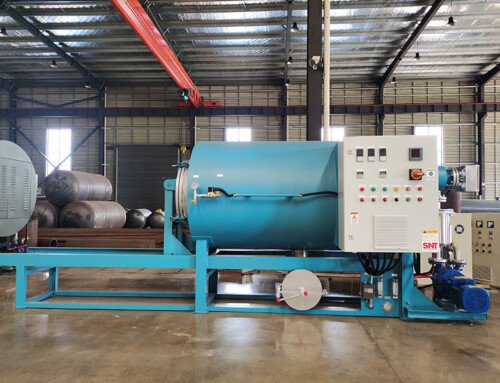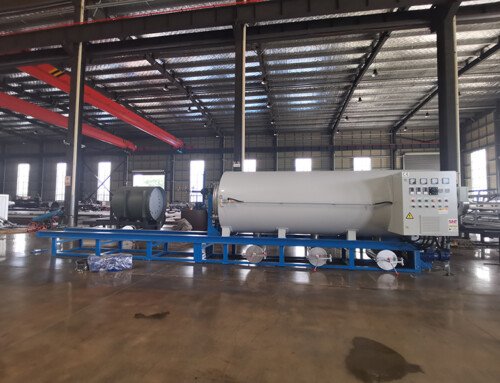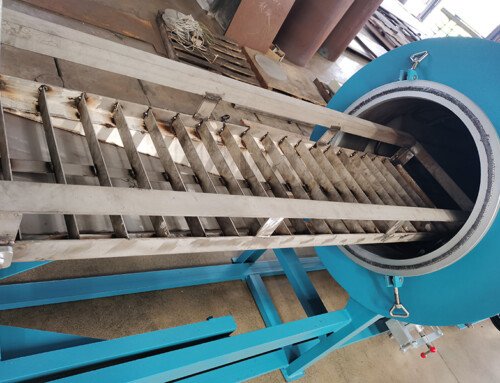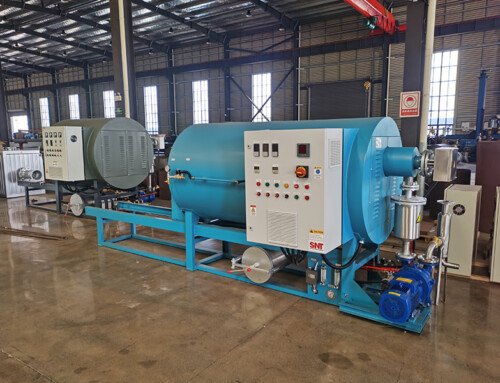
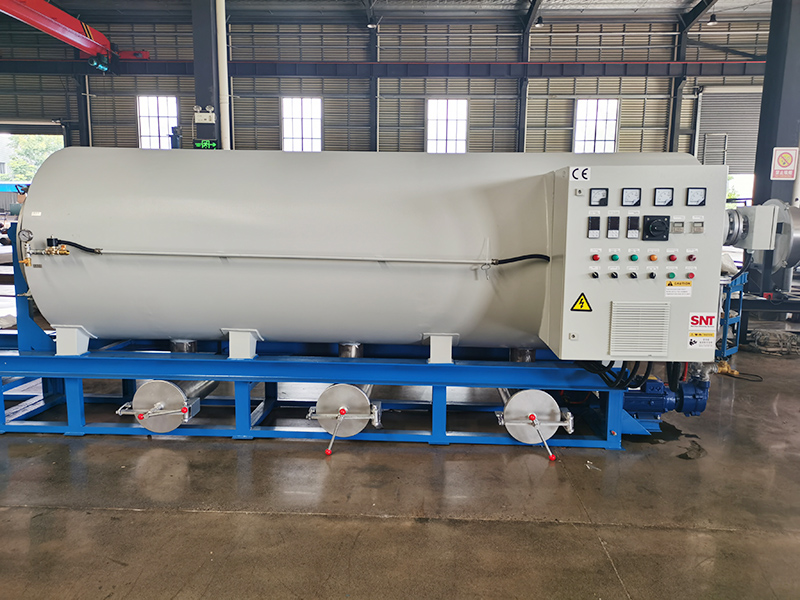
Following a structured maintenance routine for the electrical circuits of a screw cleaning furnace prevents unexpected downtime, reduces fire risks, and ensures consistent performance. Given the high temperatures and potential for chemical exposure near the equipment, electrical maintenance requires a focus on heat resistance, secure connections, and proactive inspection.
Regular visual inspection for physical damage
Conduct a thorough visual check of all accessible wiring at the beginning of each week before powering on the system. Look for any signs of cracked, brittle, or melted insulation on power cables, sensor wires, and heating element leads, especially in areas close to heating zones. Check for loose wire connections at terminal blocks, contactors, and circuit breakers; even a slightly loose connection can overheat and cause a voltage drop. Inspect cable conduits and cable trays for integrity, ensuring no sections are crushed or sagging, which could pinch and damage the wires inside. Look for any signs of corrosion on metal connectors or terminals, particularly in environments with high humidity or chemical fumes.
Thermal monitoring and connection integrity verification
Heat is the primary enemy of electrical components. During operation, use a non-contact infrared thermometer to periodically scan electrical connection points, such as terminal blocks on heating controllers, motor connection boxes, and main power lugs. Compare these temperatures to ambient readings; a connection point significantly hotter than its surroundings indicates a poor connection that needs tightening. After the system has been running under load, power it down completely, lock out the power source, and carefully feel (with caution for residual heat) key connections. Any that are too hot to touch comfortably should be investigated, cleaned of oxidation, and re-tightened. Pay special attention to the connections for the main drive motor and the heating bands, as these carry the highest currents.
Protection against environmental contaminants
The area around a screw cleaning furnace often contains dust, plastic fines, and volatile fumes. Ensure all electrical enclosures, such as control panels and junction boxes, are properly sealed with intact gaskets. Check that conduit entry points are sealed to prevent dust ingress. If panels have ventilation filters, clean or replace them according to the manufacturer’s schedule to prevent overheating while keeping contaminants out. For sensors and their wiring, ensure that any protective metal braiding or conduits are intact and grounded. Avoid using compressed air to clean inside electrical panels, as it can drive dust deeper into components; instead, use a soft brush or a low-power vacuum designed for electrical work.
Scheduled testing of safety and control circuits
Do not wait for a failure to test critical circuits. Regularly test the emergency stop circuit by pressing the E-stop button and verifying it cuts all power to the drive motor and heating system as designed. Test the functionality of thermal overload protectors associated with the main motor and fan motors. Verify that all ground fault protection devices, if installed, are operational. For the temperature control system, periodically validate sensor accuracy by comparing its reading to a known, calibrated thermometer at a stable temperature. Document the results of these tests in a maintenance log. This proactive testing identifies degradation in safety components before they are needed in an emergency and ensures control signals remain reliable for precise operation.