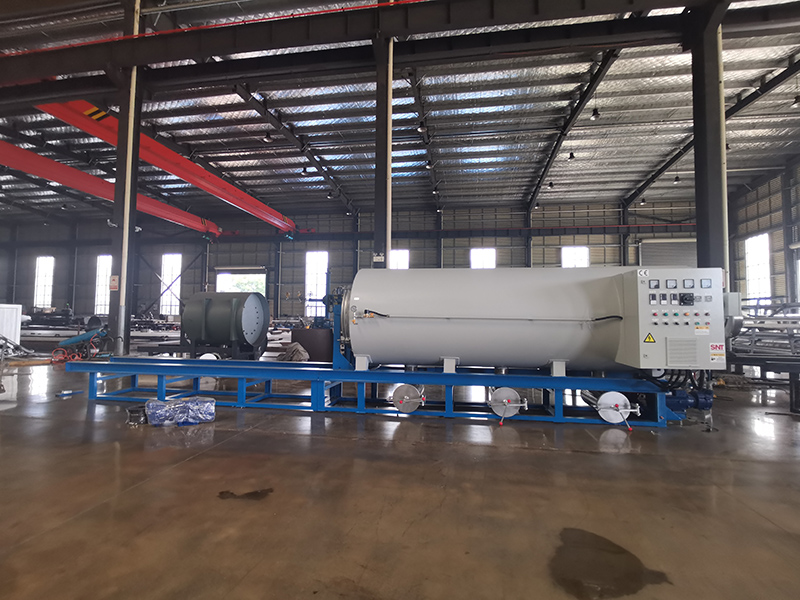
Proper maintenance of the fan unit in a screw cleaning furnace is essential for stable temperature control, effective fume extraction, and preventing unexpected shutdowns caused by overheating or airflow failure. Regular, simple checks can identify small issues before they lead to costly fan motor burnout or compromised cleaning results.
Daily operational checks and cleaning routines
Before starting the equipment each day, visually inspect the fan intake and exhaust grilles. Ensure they are free from large debris, dust bunnies, or accumulated plastic flakes that could restrict airflow. While the furnace is running, listen to the fan motor for any unusual sounds such as grinding, clicking, or irregular humming, which often indicate bearing wear or an imbalance in the fan blade. Place your hand near the exhaust outlet to feel for a consistent, strong airflow; a weak or pulsating flow can signal a problem. After the machine cools down, use a soft brush or low-pressure compressed air to gently clean the fan blades and the surrounding housing, removing any light dust buildup that affects efficiency.
Bearing lubrication and vibration monitoring
The fan motor bearings are a critical wear point. Refer to the equipment manual for the specific lubrication schedule and grease type. Typically, bearings require re-greasing every few months of operation, but this interval shortens in high-temperature or dusty environments. During lubrication, add grease slowly until a small amount purges from the relief port, then wipe away the excess. Over-greasing can be as harmful as under-greasing. While the fan is running, use a vibration monitoring app on a smartphone or a dedicated tool to check for excessive vibration. Mark the vibration level in a log; a steady increase over time is a clear early warning of bearing degradation, imbalance, or mounting looseness that needs addressing.
Electrical connection and thermal management
Electrical faults are a common cause of fan failure. At least once a week, with the power locked out, check the tightness of electrical connections at the motor terminal box. Loose connections lead to arcing, increased resistance, and overheating. Inspect the power cable for any signs of cracking, brittleness, or heat damage along its length, especially where it enters the motor housing. Ensure the motor’s cooling fins are clean and unobstructed. A motor that runs too hot will have a drastically shortened lifespan. If the fan is controlled by a variable frequency drive (VFD), check the drive’s parameters and error history log periodically for any faults related to the motor load.
Seasonal and environmental adaptation
Fan maintenance needs change with the environment. In humid seasons or locations, check more frequently for moisture ingress or condensation inside the electrical components, which can cause short circuits. In dry, dusty environments, increase the frequency of intake filter cleaning or consider upgrading to a more efficient filter to protect the fan blades and motor from abrasive particles. For furnaces located in areas with large temperature swings between day and night, be aware that thermal expansion and contraction can slightly loosen mounting bolts over time. Include a check of the fan’s physical mounting brackets and bolts in your monthly maintenance routine to ensure everything remains secure and properly aligned.