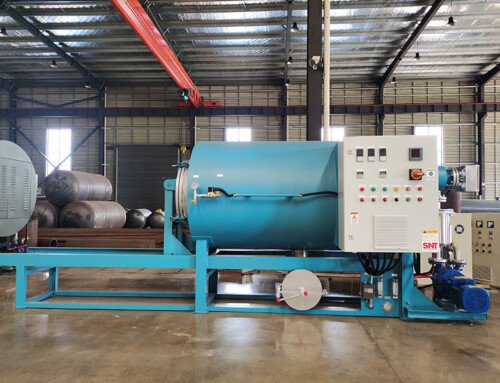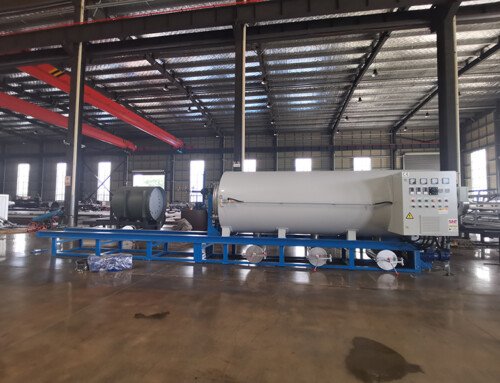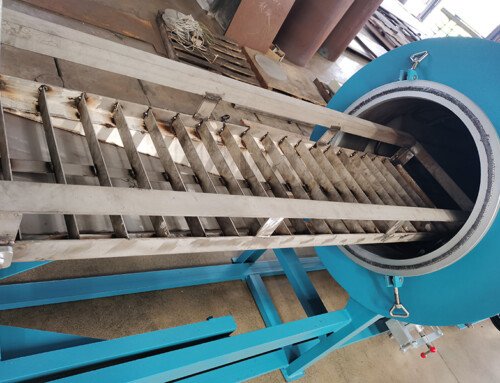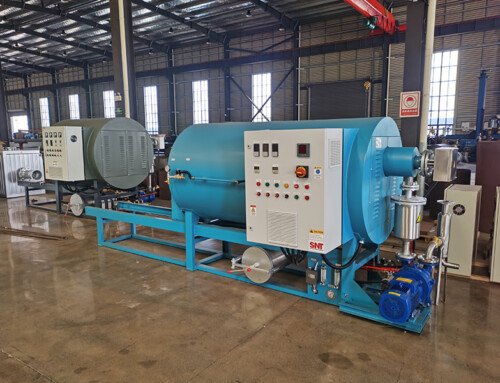
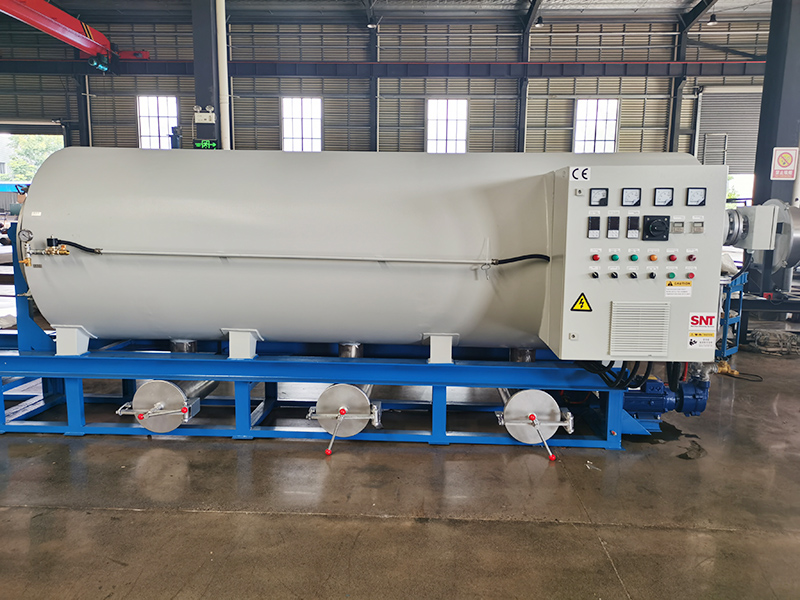
When the temperature control system of a screw cleaning furnace starts showing unexpected fluctuations, delayed responses or complete deviation from set values, continuing regular operation will almost certainly lead to uneven material heating, hidden carbon buildup and potential equipment damage. Immediate and methodical troubleshooting helps you restore stable control before small anomalies turn into major production stoppages.
Immediate response steps when temperature anomalies are detected
As soon as you notice any abnormal temperature reading on the control panel, pause the screw rotation and turn down the heating power by 50 percent immediately, but do not shut off the heating system completely. A sudden full power cut could cause the melted material inside the barrel to solidify unevenly and create new blockages. Check if the anomaly shows on a single heating zone or affects multiple zones at the same time, this distinction will point you toward different root causes like a local sensor fault or a central control board issue. Look for obvious physical signs around the affected heating zone, such as loose wiring connections, damaged insulation on the heating cable or visible oxidation on the temperature sensor probe. If you spot any exposed wires or burnt marks, cut off the main power supply at once before proceeding with further inspection.
Initial physical inspection for common hardware faults
After ensuring electrical safety, inspect the temperature sensor probe in the problematic heating zone. Gently remove the probe from its mounting hole, check if the metal surface shows discoloration, corrosion or physical damage that would affect its reading accuracy. Use a handheld infrared thermometer to measure the actual surface temperature of the barrel at the same location, compare this value with the reading displayed on the control panel. A difference larger than 10 degrees Celsius usually indicates a faulty sensor or a broken signal transmission line. Examine the heating element around the zone, look for any broken ceramic insulators, loose terminal screws or signs of overheating on the element surface. Tighten all visible connection points, but do not attempt to repair a visibly damaged heating element while the system is still connected to power.
Control system calibration and parameter verification
If the physical inspection shows no obvious hardware damage, the issue might lie in the control system’s calibration or parameter settings. Access the temperature controller’s calibration menu, run a manual calibration routine for the affected zone according to the equipment manual. Do not arbitrarily adjust the PID control parameters (Proportional, Integral, Derivative) unless you have specific technical training, incorrect PID values can cause severe oscillation or sluggish response in temperature control. Verify that the set temperature value for the zone has not been accidentally changed, and confirm the upper and lower temperature alarm limits are still set at appropriate safe thresholds. Check the control system’s historical temperature log for the past 24 hours, look for patterns like gradual drift or sudden spikes that might indicate an intermittent electrical fault or a failing component.
Post-correction verification run and monitoring
After addressing the identified issue—whether it was a loose connection, a faulty sensor, or a calibration error—restore power and initiate a controlled test. Set the temperature of the previously problematic zone to a moderate value, 20 to 30 degrees below the normal operating temperature. Monitor the temperature rise closely; it should increase steadily and stabilize at the set point without significant overshoot or continuous oscillation. Once stable, run the screw at the lowest possible speed for 10 to 15 minutes. Observe the extruded material’s consistency; uneven heating often results in streaks or lumps. If the temperature remains stable and the material output is uniform, you can gradually return to standard operating parameters. Keep the system under close observation for the next several hours, documenting all readings to ensure the correction is durable.
Long-term preventive measures for temperature stability
To minimize future temperature control issues, establish a routine maintenance schedule. Clean the temperature sensor probes and the areas around them every week to prevent dust and carbon buildup from insulating the probe and causing inaccurate readings. Perform a full calibration check of all temperature zones against a certified reference thermometer at least once a month. Ensure the electrical cabinet housing the control system is kept clean, cool, and free from excessive vibration, as these factors can prematurely age electronic components. Train operators to recognize the early signs of temperature instability, such as minor fluctuations or slower-than-usual response times, so potential problems can be reported and addressed before they impact the cleaning process or equipment integrity.