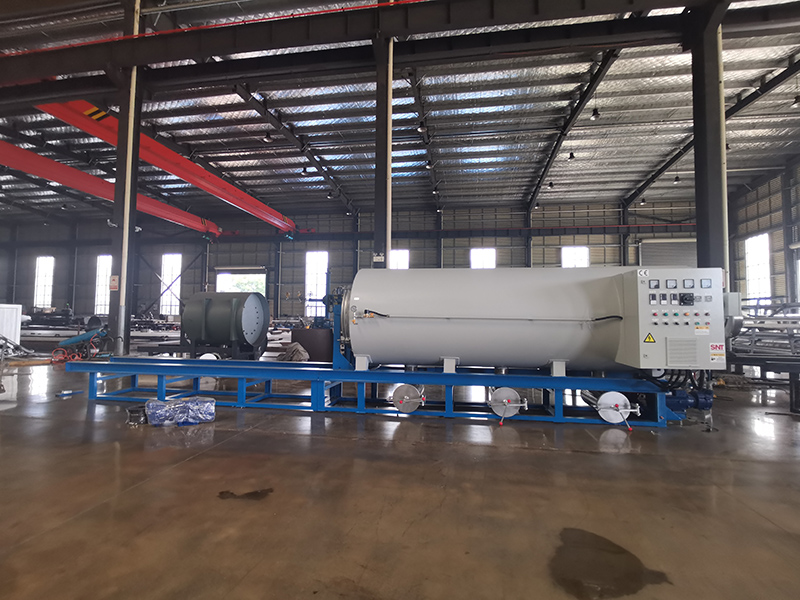
Long-Term Continuous Operation Guidelines for Screw Cleaning Furnaces
Pre-Operation System Check Before Extended Continuous Runs
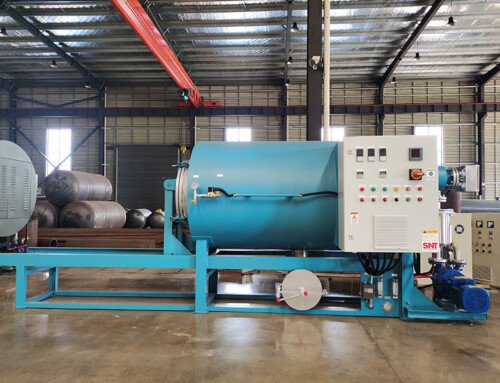
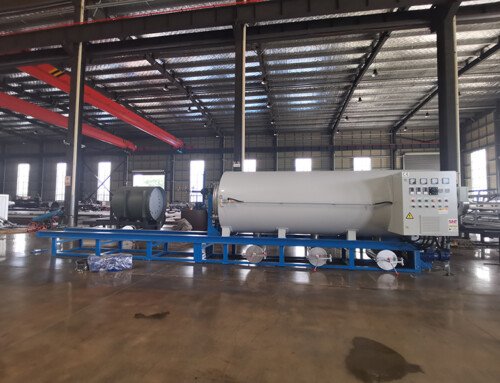
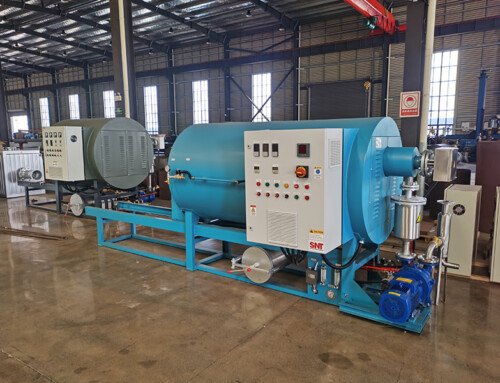
Before starting any long-duration continuous operation of the screw cleaning furnace, complete a full system verification to eliminate hidden risks that may cause unexpected shutdowns during non-stop processing. First, inspect all airtight seals on the furnace chamber, access doors and pipeline connections to confirm there are no visible gaps, aging cracks or residual debris that could compromise vacuum stability over hours of continuous use. Next, verify the vacuum pump oil level and oil quality, making sure the oil shows no discoloration, emulsification or excessive impurities that would reduce pumping efficiency during extended operation. Check all temperature sensor calibration points against standard reference values to ensure real-time temperature readings stay within the allowable error range, preventing overheating or insufficient heating that damages both the equipment and the workpieces being cleaned. Confirm that the exhaust treatment system, including the water spray washing unit, has sufficient water flow and unobstructed internal filters to handle continuous discharge of vapor and ash without clogging mid-operation. Finally, test all emergency stop interlock functions to ensure every safety protection mechanism can trigger immediately if abnormal conditions arise during the long run.
Stable Parameter Control for Non-Stop Continuous Processing
Maintain consistent, carefully adjusted operating parameters throughout the entire continuous operation period to keep cleaning performance uniform and avoid unnecessary equipment wear. After the initial workpiece preheating stage, keep the heating rate controlled at a steady, slow pace instead of frequent sharp temperature adjustments, which prevents uneven thermal stress on the furnace inner wall that could lead to deformation after hundreds of hours of cumulative operation. When the furnace temperature reaches the 400°C to 450°C oxidation phase, maintain a stable small air intake volume rather than sudden large air injections, to ensure residual polymer on workpieces oxidizes fully without generating excessive smoke or putting extra burden on the exhaust system. Monitor the vacuum gauge readings at 30-minute intervals during the entire continuous run, and make tiny adjustments to the vacuum pump operating speed if the pressure fluctuates beyond the normal range, to keep the internal furnace environment stable for consistent cleaning results. Avoid frequent opening of the furnace access door during continuous processing, as sudden entry of large amounts of cold air will cause drastic temperature drops, force the heating system to work under extra high load, and shorten the service life of heating elements.
Scheduled In-Operation Maintenance Checks
Arrange short, staggered inspection and minor maintenance tasks during the continuous operation process, without stopping the main system, to prevent small issues from escalating into major failures. Every 4 hours of continuous operation, check the operating temperature of the vacuum pump motor and the circulating water cooling system, to confirm no overheating occurs that would reduce equipment operation stability. Every 8 hours, drain a small amount of waste liquid from the bottom of the water spray washing unit, and check the internal filter element for accumulated ash buildup, to ensure the exhaust path stays unobstructed for the rest of the continuous run. Every 12 hours, inspect the waste collection tank at the bottom of the furnace, and remove a portion of the melted polymer residue if it reaches the designated capacity line, to prevent overflow back into the furnace chamber that would contaminate subsequent workpieces. During each inspection, also check all electrical connection terminals for signs of overheating or loose contact, and tighten any slightly loose connections gently to avoid unexpected power disconnection that interrupts the continuous operation cycle.
Post Long-Run Shutdown and System Reset Protocols
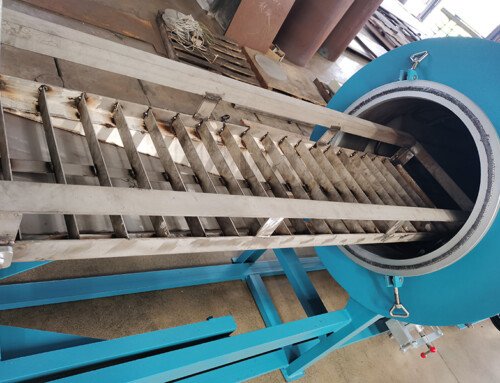
Follow a strict step-by-step shutdown sequence after completing the long-term continuous operation, to protect the equipment and prepare it for the next use. First, turn off all heating elements completely, and keep the vacuum pump running continuously while the furnace cools down naturally, never use forced cold air blowing to speed up the cooling process, as rapid temperature change will cause permanent damage to the furnace internal structure. Only when the furnace chamber temperature drops below 40°C can you slowly release the internal vacuum, never break the vacuum when the temperature is still high, to avoid sudden oxidation of the internal heating components. After opening the furnace access door, clean all residual ash and tiny debris from the inner wall surface with a soft non-abrasive brush, and wipe the door seal gently with a clean dry cloth to remove any adhered particles that would affect sealing performance next time. Drain all remaining water from the circulating cooling system if the equipment will be left idle for more than 24 hours, and apply a thin layer of anti-rust oil on all exposed metal connection parts. Record all operating data, temperature trends, pressure fluctuations and minor issues encountered during the entire continuous run in the equipment log, to provide reference for the next long-term operation and help track the equipment’s performance status over time.