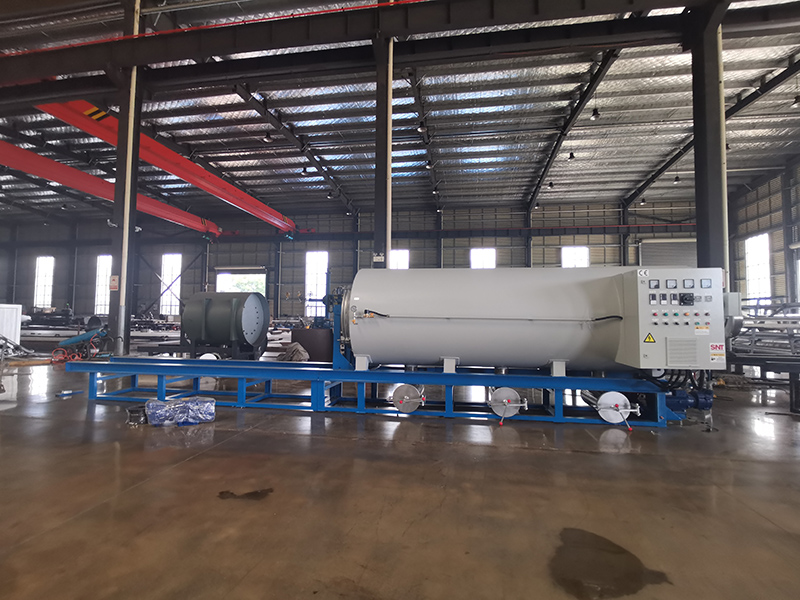
Running a Screw Cleaning Furnace in a Humid Factory: What You Need to Know
Most furnace manuals assume you are operating in a clean, dry shop. If your factory has concrete floors that sweat, walls that drip, or an ambient humidity that never drops below 70 percent, those manuals are lying to you. Moisture is the silent killer of screw cleaning furnaces. It ruins vacuum performance, corrodes chamber interiors, and turns a 4-hour cleaning cycle into a 6-hour nightmare. This guide covers what actually happens when you run a high-temperature vacuum furnace in a wet environment, and how to keep it working anyway.
Why Humidity Destroys Furnace Performance Before You Even Start
Moisture does not just sit in the air. It gets into everything. And a screw cleaning furnace is basically a moisture magnet.
Water Vapor Is the Enemy of Deep Vacuum
Your vacuum pump is rated to pull down to 10 Pascals in a dry environment. In a humid shop, that same pump might only reach 50 Pascals. Why? Because every surface inside the chamber, every seal, every gasket, and every barrel you load is covered in a thin film of adsorbed water. When you heat the chamber, that water desorbs and floods the chamber with vapor. The pump has to remove all of it before it can reach target vacuum.
In a shop with 80 percent relative humidity, you can lose 30 to 60 minutes per cycle just fighting water vapor. That is not a small loss. Over 50 cycles a month, that adds up to days of wasted production time.
Condensation Forms on Cold Surfaces Before Every Cycle
When you open the chamber door in a humid shop, warm moist air rushes in and hits every cold surface inside. The chamber walls, the door seal, the fixtures, the barrels, all of them get a fresh coat of condensation. If you load the barrel immediately, that water goes into the cycle with it. At 400 degrees Celsius, that water flashes to steam and spikes chamber pressure. The pump struggles, the vacuum drops, and the cleaning quality suffers.
This is why cycles in humid shops take longer and deliver worse results even when everything else is set up correctly.
How to Prep Your Furnace for a Humid Environment
You cannot control the weather. But you can control what happens inside the chamber.
Dry the Chamber Before Every Single Load
Before you load any barrel, run a low-temperature bake-out. Set the furnace to 150 degrees Celsius with the door closed and pull vacuum to 100 Pascals. Hold for 20 minutes. This drives off all the adsorbed moisture from the chamber walls, the seals, and the fixtures. Then pull to full vacuum and verify that you reach target pressure within the expected window.
This pre-bake adds 20 minutes to your cycle. But it saves you 30 to 60 minutes of wasted pump-down time later. It also protects your barrel from the steam spike that would otherwise ruin the first stage of cleaning.
Pre-Heat Barrels to Drive Off Surface Moisture
Barrels sitting in a humid shop absorb moisture through the bore and the flight roots. If you load a wet barrel into a hot chamber, the water flashes to steam instantly and your vacuum gauge spikes. The pump has to recover, which adds time and stress to the system.
Pre-heat every barrel to at least 120 degrees Celsius before loading. A simple hot air gun or a warm room works. This drives off surface moisture so the barrel goes into the chamber dry. It takes 10 minutes per barrel. It prevents the steam spike that ruins your vacuum curve every time.
Chamber Protection Strategies for Wet Shops
A humid environment attacks the furnace itself, not just the process. The chamber interior is the first casualty.
Electropolished Surfaces Are Not Optional in Humid Shops
A standard polished stainless steel chamber will start showing pitting and corrosion within months in a high-humidity environment. The moisture combines with residual carbon and polymer fumes to form weak acids that eat the surface. Electropolished 316L stainless steel with a surface roughness of Ra 0.4 micrometers or better resists this attack dramatically. The smoother surface does not hold moisture, and the electropolished layer does not corrode as easily.
If your furnace has a standard polished interior and you operate in a humid shop, plan on refurbishing the chamber every 6 to 12 months. That costs far more than upgrading to electropolished steel upfront.
Seal and Gasket Maintenance Doubles in Humid Conditions
Rubber gaskets absorb moisture. In a dry shop, a door gasket lasts two years. In a humid shop, it lasts eight months. The moisture swells the rubber, changes its compression set, and creates micro-gaps that let air leak in during the vacuum phase.
Inspect your door gasket every two weeks in a humid environment. Look for swelling, cracking, or compression set. Replace it at the first sign of wear. A 50 dollar gasket saves you from a 5,000 dollar chamber repair caused by moisture-driven corrosion.
Use Desiccant Packs Inside the Chamber Between Cycles
This is a cheap trick that works. Place silica gel desiccant packs inside the chamber when it is not in use. They absorb ambient moisture and keep the chamber interior dry between loads. Replace them every week or when they change color. This simple step reduces the pre-bake time by 10 minutes and extends seal life by months.
Vacuum Pump Care in High Humidity
The pump takes the biggest hit in a wet shop. Water vapor degrades pump oil faster than anything else.
Change Pump Oil Every 300 Hours Instead of 500
In a dry shop, 500-hour oil change intervals work fine. In a humid shop, water vapor contaminates the oil faster. The oil turns milky, loses viscosity, and fails to seal the pump internals. Change it every 300 hours. Use ISO VG100 grade oil. Check the oil color every 100 hours. If it looks cloudy or milky, change it immediately.
Install a Moisture Trap on the Pump Exhaust
A moisture trap between the pump and the exhaust captures water vapor before it reaches the pump oil. This simple addition extends oil life by 40 percent and keeps vacuum performance stable even in the wettest conditions. It costs almost nothing to install and pays for itself in the first month.
Monitor Pump Temperature Closely
A pump working hard to remove water vapor runs hotter than normal. If the pump oil temperature climbs above 80 degrees Celsius, the oil is breaking down. Shut down, let it cool, check the oil, and change it if needed. Running a pump with degraded oil in a humid shop will destroy it within weeks.
Loading and Unloading in a Wet Shop
The moments before and after the cycle are where moisture does the most damage.
Keep the Chamber Door Open for the Shortest Time Possible
Every second the door is open in a humid shop, moisture rushes in. Have your barrel ready, your fixtures positioned, and your gloves on before you open the door. Load fast, close fast. Do not stand there admiring your work. The chamber is absorbing water vapor every second it is open.
Do Not Store Clean Barrels in the Open Air
A clean barrel pulled from a furnace in a humid shop will re-absorb moisture within minutes if left on the shop floor. The bore surface, which was perfectly clean and dry inside the chamber, starts collecting water vapor the moment it hits the humid air. By the time you install it on the extruder, it is already contaminated.
Wrap clean barrels in clean plastic or store them in a sealed cabinet. If you cannot seal them, at least cover the bore ends with clean tape. This takes 30 seconds. It prevents the re-contamination that makes operators think the furnace is not working when it actually is.
Troubleshooting Humidity-Related Cycle Failures
When things go wrong in a humid shop, moisture is usually the cause.
Vacuum Takes Too Long to Reach Target
If your pump-down time has crept up by 20 minutes or more, check for moisture. Run the pre-bake at 150 degrees Celsius before the next load. Check your pump oil for milky discoloration. Check the door gasket for swelling. One of these three is almost always the culprit.
Cleaning Results Are Inconsistent Between Batches
If some barrels come out clean and others do not, even with the same program, moisture is likely the variable. Barrels that sat longer in the humid shop absorbed more water. They flash more steam during the first stage, which disrupts the vacuum curve and reduces cleaning effectiveness. Pre-heat every barrel to the same temperature before loading. Consistency in prep gives consistency in results.
Chamber Interior Shows Rust or Pitting
If you open the chamber and see rust spots or pitting on the walls, your interior finish is not rated for your environment. Upgrade to electropolished 316L immediately. Continue running with a corroded chamber and you will start getting metal particles in your clean barrels. That contamination will show up as surface defects in your production parts, and you will blame the polymer supplier instead of the moisture.