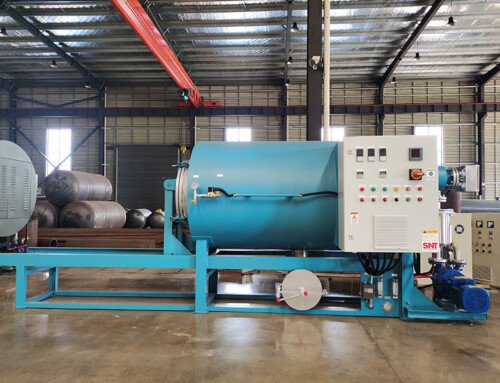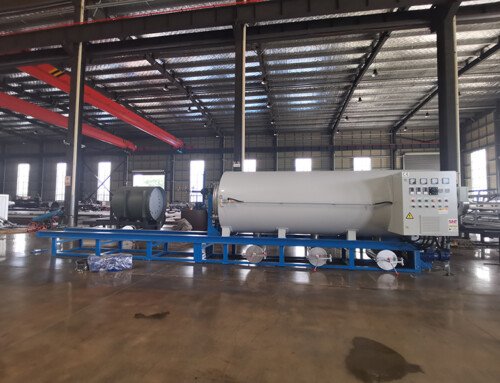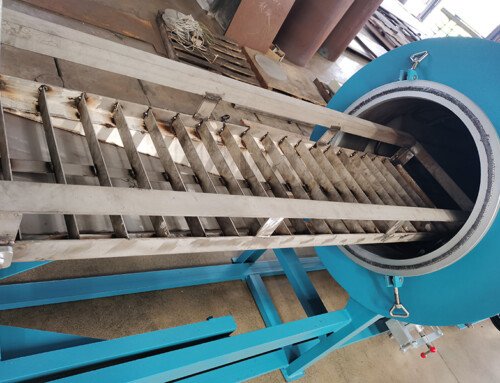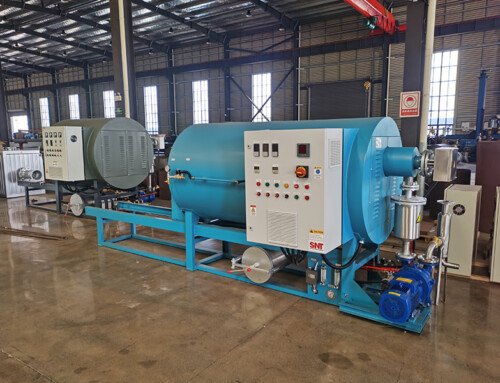
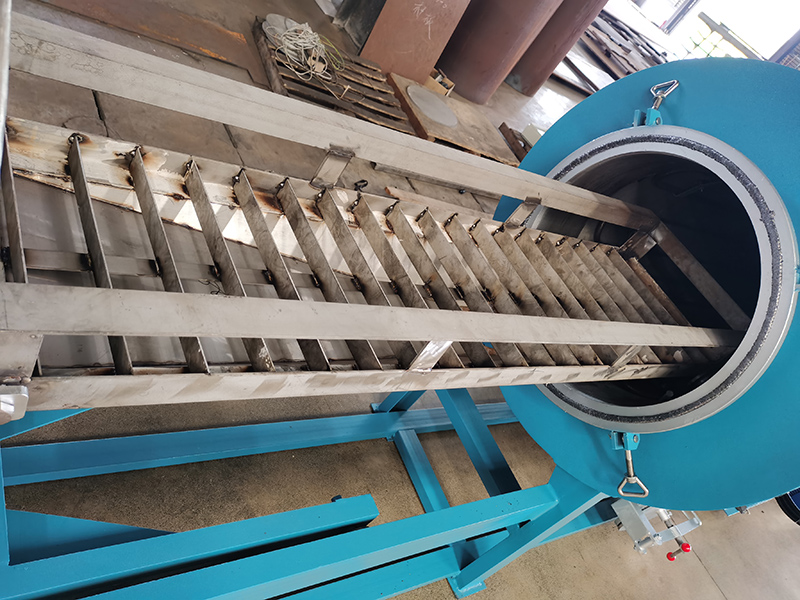
Cooling and Temperature Reduction Procedures for a Screw Cleaning Furnace
The cooling process of a screw cleaning furnace is an important stage after high-temperature cleaning operations. Proper cooling procedures help protect screw surfaces, reduce thermal stress, and maintain long-term furnace stability.
Confirm Completion of the Heating Cycle
Before starting the cooling process, operators should verify that the cleaning cycle has fully completed and that the required holding temperature has been maintained for the appropriate duration.
Premature cooling may leave residue inside screw threads and reduce cleaning effectiveness.
Inspect Furnace Operating Conditions
Temperature readings, ventilation status, and furnace chamber conditions should be checked before initiating cooling procedures.
Any abnormal temperature fluctuations or unusual smoke conditions should be addressed before continuing.
Maintain Stable Ventilation During Cooling
Ventilation systems should remain active after heating stops. Residual gases and smoke may still be present inside the chamber during the early cooling stage.
Stable airflow helps improve workplace safety and supports gradual temperature reduction.
Gradual Temperature Reduction Methods
Controlled cooling helps prevent sudden thermal changes that may damage screws and furnace components.
Lower Temperature in Stages
The furnace temperature should decrease progressively rather than dropping suddenly.
Step-by-step cooling reduces thermal stress on metal surfaces and improves dimensional stability for large screws and barrels.
Avoid Rapid Forced Cooling
Cold air exposure, water cooling, or other rapid cooling methods may create uneven contraction inside metal components.
Gradual cooling helps reduce the risk of surface cracking, deformation, and coating damage.
Keep the Furnace Chamber Closed Initially
Opening the chamber immediately after shutdown may expose screws to sudden environmental temperature changes.
Keeping the furnace closed during the first cooling stage supports more balanced internal heat dissipation.
Screw Cooling and Handling Procedures
Correct handling during cooling helps protect cleaned components from physical and thermal damage.
Allow Screws to Cool Naturally
Screws should remain inside the furnace or in a controlled environment until temperatures reach a safer handling range.
Natural cooling improves structural stability and reduces oxidation risks.
Use Heat-Resistant Protective Equipment
Even during later cooling stages, metal components may still retain significant heat.
Operators should use protective gloves, lifting tools, and eye protection when unloading screws from the furnace chamber.
Avoid Surface Contact During Transfer
Hot screws should not be dropped, dragged, or struck against hard surfaces during handling.
Careful movement helps preserve thread precision and surface condition.
Monitoring During the Cooling Process
Continuous monitoring helps maintain safe and stable furnace operation.
Observe Temperature Changes Regularly
Operators should continue monitoring the furnace display during cooling to ensure stable temperature reduction.
Unexpected increases or unstable readings may indicate control system issues.
Check Ventilation and Exhaust Performance
Exhaust systems should continue functioning properly until the furnace reaches a stable lower temperature.
Insufficient ventilation may allow residual gases to remain around the equipment area.
Inspect Chamber Conditions After Cooling
Once the furnace cools sufficiently, operators should inspect the chamber interior for ash accumulation, residue buildup, or visible component wear.
Routine inspection helps maintain long-term cleaning performance.
Post-Cooling Maintenance Procedures
Cooling operations should be followed by routine cleaning and inspection work.
Remove Residual Ash and Carbon Deposits
After the furnace reaches a safe temperature, leftover ash and decomposition residue should be removed from the chamber.
Regular cleaning helps maintain airflow efficiency during future heating cycles.
Inspect Heating Components After Operation
Heating elements, insulation materials, and temperature sensors should be checked for signs of wear or thermal damage.
Preventive inspection helps reduce unexpected downtime and improves equipment reliability.
Record Cooling and Operating Data
Documenting cooling duration, temperature behavior, and operational observations supports future maintenance planning and process optimization.
Consistent operating records also help identify long-term equipment performance trends.