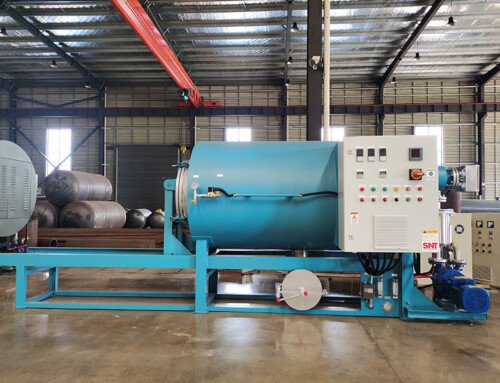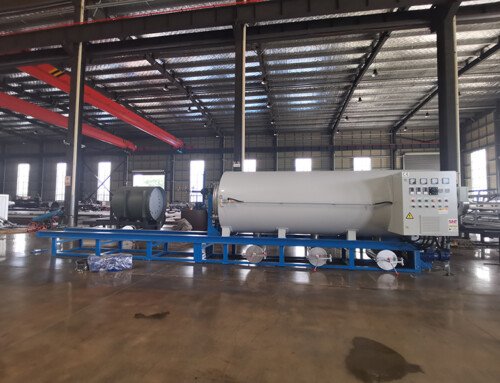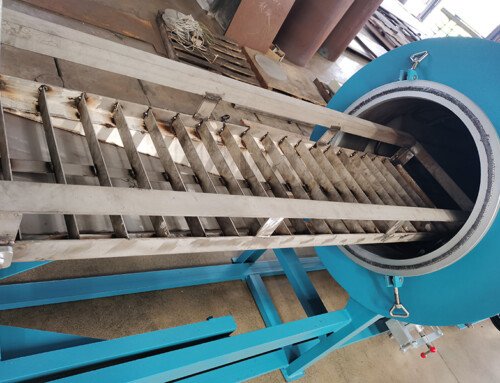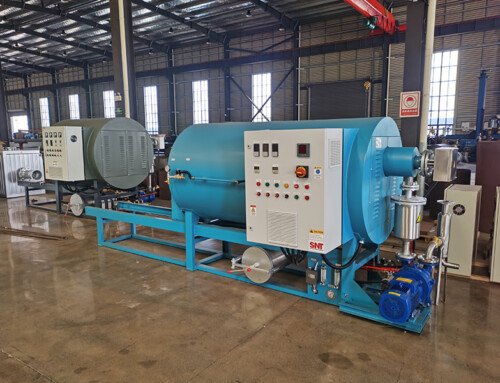
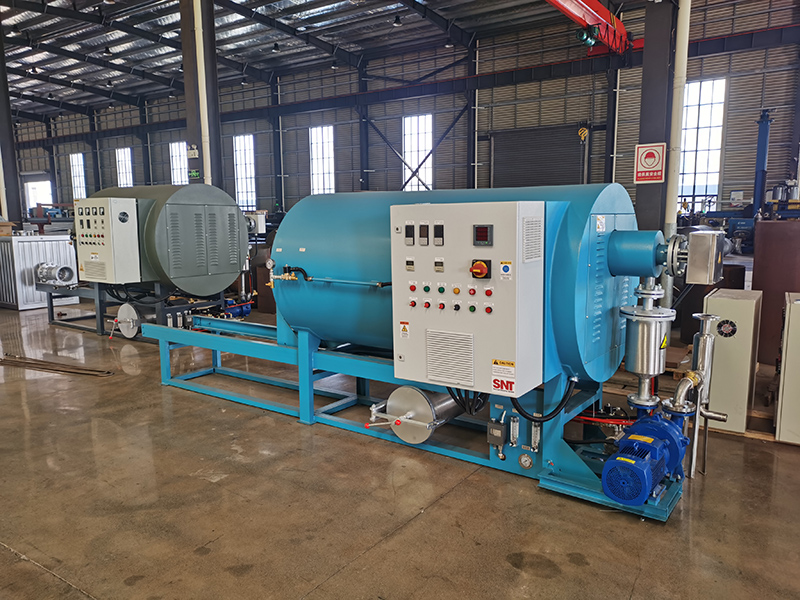
Screw Cleaning Furnace Selection: Practical Tips That Actually Save You Money
Picking the right screw cleaning furnace is not about finding the most expensive machine on the market. It is about matching real specs to real workload. Get it wrong and you are stuck with a device that burns energy, cleans poorly, or breaks down mid-production. Get it right and you cut operating costs by up to 30% while extending component life significantly.
Here is how to separate smart buying from expensive regret.
Start With Your Actual Throughput, Not Your Ambitions
The single biggest mistake buyers make is oversizing. A furnace that is too large for your daily volume wastes energy on every single cycle. One that is too small becomes a bottleneck that chokes your entire line.
Match Chamber Size to Daily Volume
For operations handling 50 to 100 pieces per day, a 500L chamber is the sweet spot. Push past 100 pieces daily and you need 1000L or larger. The golden rule: never let the furnace run below 60% capacity or above 90%. Both extremes destroy efficiency. If your volume fluctuates seasonally, look for a unit with modular chamber options so you can scale up or down without replacing the whole machine.
Calculate Temperature Precision Before Anything Else
Cheap furnaces quote temperature control at plus or minus 5 degrees. That sounds acceptable until you realize uneven heat means incomplete cleaning on some parts and thermal damage on others. The real target is plus or minus 3 degrees or tighter. For semiconductor or pharmaceutical applications, the requirement tightens even further, with vacuum fluctuation needing to stay within plus or minus 2Pa. This level of precision costs more upfront but saves enormous money in scrapped parts and failed batches.
Automation Is Where Long-Term Costs Live or Die
A furnace with no automation depends entirely on operator skill. And operators vary shift to shift. The goal is to remove human variability from the process completely.
PLC Control With Multi-Segment Heating
A proper PLC system should handle at least 3 to 5 programmable temperature nodes, auto-hold at setpoints, auto-discharge residue, and link cooling to the vacuum cycle. This means one button starts the entire process and the machine shuts itself down when done. Operations that have made this switch report cutting manual intervention by 80%. That is not a marginal improvement. That is a fundamental shift in how reliable your output becomes.
Real-Time Monitoring and Auto-Alarm
Look for units that display temperature, vacuum level, and runtime in real time on the control panel. More importantly, the system should auto-alarm and shut down if vacuum leaks or temperature spikes. A furnace that silently fails during a cycle can destroy an entire batch of components before anyone notices. The alarm feature is not a luxury. It is insurance.
Material and Build Quality Determine Lifespan
Two furnaces with identical specs can perform completely differently after two years. The difference is almost always in materials and construction.
Chamber Material Matters More Than You Think
The inner lining should be 310S grade stainless steel. It resists high-temperature corrosion, does not build up carbon deposits easily, and holds up against repeated thermal cycling. Cheaper grades start scaling and pitting within months, which means more downtime for cleaning and shorter component life inside the furnace.
Insulation Directly Impacts Your Electricity Bill
Furnaces with thick silica aluminum insulation layers consume roughly 12% less energy than average units. Over 300 operating days per year, that adds up to meaningful savings. Check the insulation thickness and material before signing anything. A furnace that leaks heat is burning money every single cycle.
Industry-Specific Requirements Change Everything
A generic furnace does not work for every application. The industry you operate in dictates additional requirements that can add significant cost if ignored early.
Pharma and Cleanroom Needs
If you are cleaning components for pharmaceutical use, the furnace needs HEPA filtration on the exhaust and must meet GMP-level cleanliness standards. That typically adds a dedicated filtration module and stricter validation protocols. Skipping this to save money means you cannot use the furnace for your highest-value work.
Explosion-Proof Rating for Chemical and New Energy
Operations in chemical processing or new energy sectors may need furnaces rated to Ex db IIC T2 through T6 Gb explosion-proof standards. This is not optional. It is a safety and regulatory requirement. Make sure the vendor can certify to the correct explosion-proof class before any purchase commitment.
Maintenance Habits That Double Your Furnace Life
Buying the right machine is only half the battle. How you maintain it determines whether it lasts five years or ten.
Vacuum Pump Care Is Non-Negotiable
Every 500 hours of operation, replace the vacuum pump oil. Use ISO VG100 grade. Every 1000 hours, run a full airtightness test on the pump body to ensure vacuum levels are not degrading. A pump that loses vacuum silently will ruin every cleaning cycle without you ever knowing.
Heating System Checks Save You From Disaster
Clean heating element surfaces monthly. Calibrate temperature sensors every quarter, and keep the error within plus or minus 1 degree. A sensor that drifts by even 2 degrees causes localized overheating, which means uneven cleaning and premature part damage.
Control System Needs Attention Too
Back up your PLC programs regularly. Check touchscreens and buttons for looseness. A loose contact can cause an unexpected shutdown mid-cycle, wasting an entire batch and hours of recovery time. Do these three things consistently and your mean time between failures extends past 8000 hours, roughly 30% longer than粗放 operation.