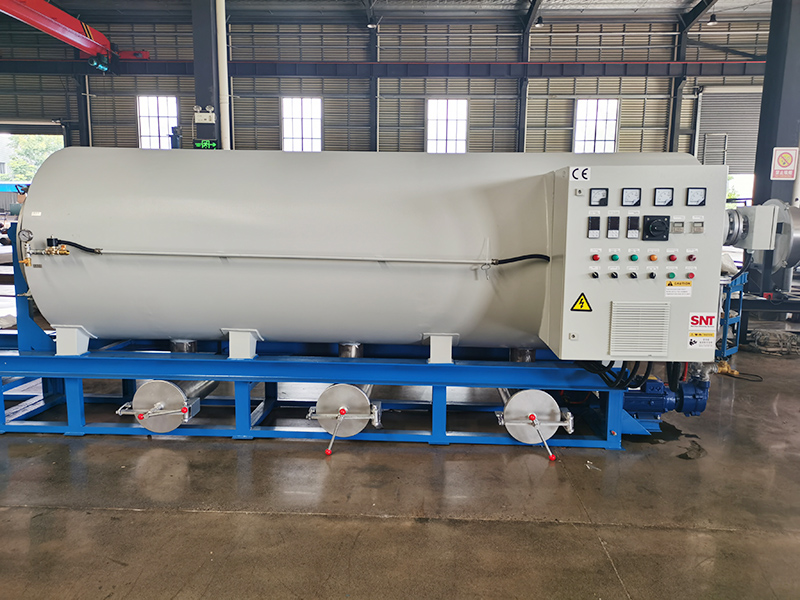
Screw Cleaning Furnace Outer Shell Maintenance Methods
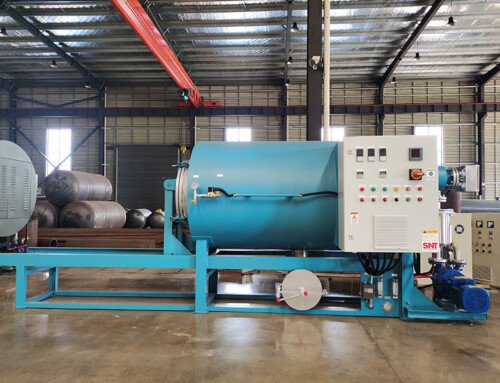
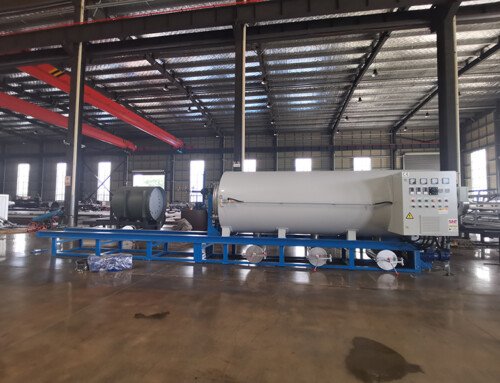
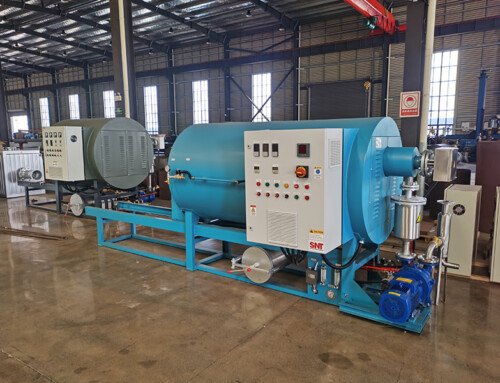
The outer shell of a screw cleaning furnace plays an important role in equipment protection, thermal insulation support, and workplace safety. Regular maintenance of the furnace exterior helps reduce corrosion risks, improve structural stability, and maintain long-term operating reliability.
Keep the Outer Surface Clean
Dust, oil residue, and polymer particles may gradually accumulate on the furnace shell during daily operation.
Routine cleaning helps prevent surface contamination and reduces the possibility of heat retention around ventilation areas.
Inspect the Shell for Surface Damage
Operators should regularly check the outer casing for scratches, cracks, rust spots, or paint peeling.
Early detection of surface damage helps prevent corrosion from spreading to deeper metal layers.
Avoid Direct Impact on the Furnace Body
Heavy tools, screws, or metal components should not strike the furnace shell during loading or unloading operations.
Physical impact may deform the casing structure and affect insulation stability.
Cleaning Procedures for Furnace Exterior Surfaces
Proper cleaning methods help maintain the appearance and structural condition of the furnace shell.
Use Dry or Slightly Damp Cleaning Materials
Soft cloths or non-abrasive cleaning materials are commonly used for external surface cleaning.
Excessive moisture should be avoided to reduce the risk of water entering electrical or ventilation areas.
Remove Oil and Residue Promptly
Oil stains and residue buildup may gradually affect the surface coating of the furnace shell.
Timely cleaning helps reduce long-term corrosion risks and keeps the working environment cleaner.
Avoid Abrasive Cleaning Tools
Metal brushes or aggressive abrasive materials may damage protective coatings on the furnace exterior.
Gentle cleaning methods help maintain surface durability and appearance.
Corrosion Prevention and Surface Protection
The furnace shell is exposed to heat, moisture, and industrial contaminants during long-term operation.
Maintain a Dry Operating Environment
High humidity may accelerate oxidation and corrosion on external metal surfaces.
Keeping the equipment area dry helps protect the furnace casing and electrical components.
Inspect Protective Coatings Regularly
Protective paint or anti-corrosion coatings should be inspected for peeling, discoloration, or damage.
Damaged coatings should be repaired promptly to maintain surface protection.
Prevent Chemical Exposure
Strong solvents, corrosive liquids, and industrial chemicals should not remain on the furnace shell for extended periods.
Chemical exposure may weaken surface coatings and increase corrosion risks.
Ventilation Area and Panel Maintenance
The outer shell often includes ventilation openings, inspection panels, and protective covers.
Keep Ventilation Openings Clear
Dust and residue accumulation around ventilation areas may reduce airflow efficiency.
Clean ventilation openings support stable temperature control and safer operation.
Check Door and Panel Alignment
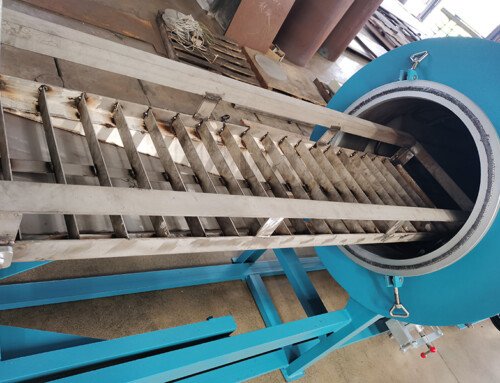
Access doors and external panels should close securely without visible gaps or deformation.
Improper sealing may affect insulation performance and increase heat loss.
Inspect Fasteners and Connections
Bolts, hinges, and external support components should remain secure during long-term operation.
Loose connections may cause vibration, noise, or structural instability.
Long-Term Exterior Maintenance Practices
Consistent maintenance habits help extend the lifespan of the furnace shell.
Perform Regular Surface Inspections
Scheduled visual inspections help identify early signs of corrosion, deformation, or structural wear.
Routine checks improve preventive maintenance efficiency.
Avoid Excessive External Heat Exposure
Additional external heat sources near the furnace may increase thermal stress on the outer casing.
Maintaining proper equipment spacing supports safer operating conditions.
Maintain Maintenance Records
Documenting cleaning schedules, inspection results, and repair history helps track the condition of the furnace shell over time.
Accurate records also support long-term maintenance planning and operational management.