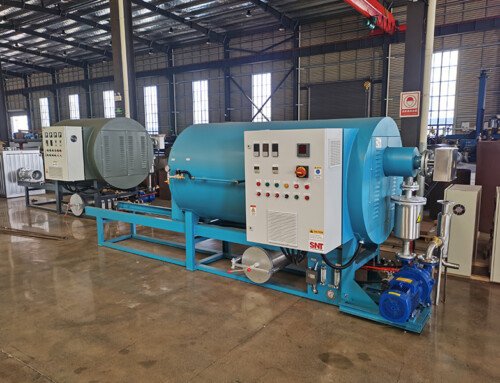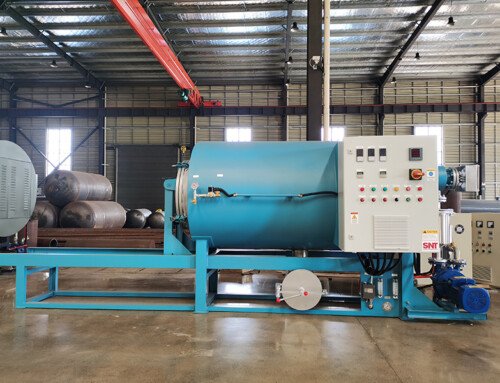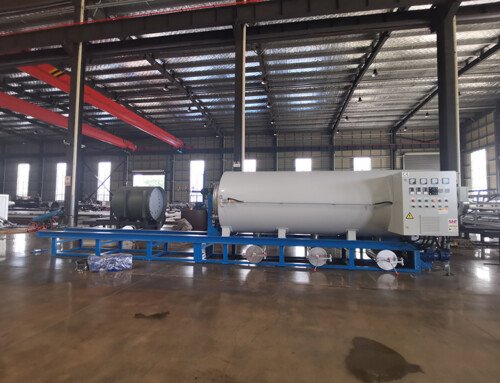
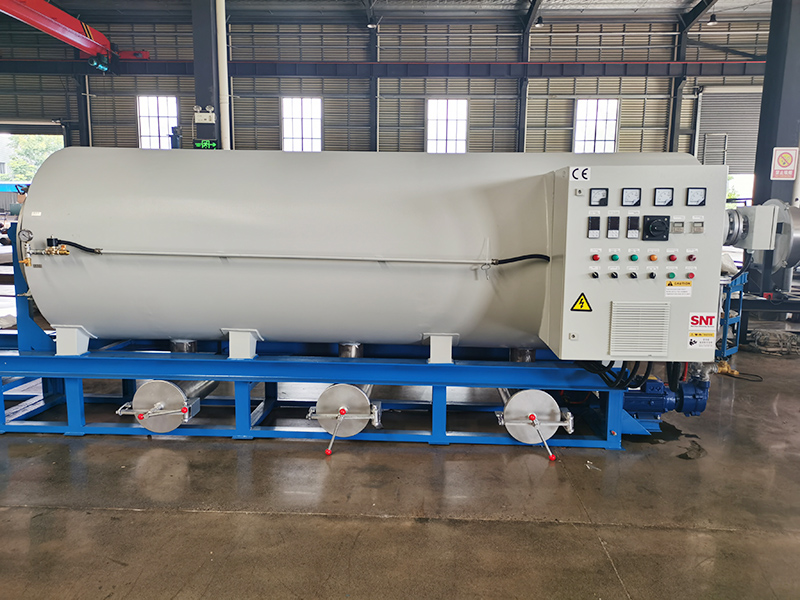
Thermal paint stripping using a burn off oven is one of the most reliable, high-throughput methods for removing thick, multi-layered cured paint, epoxy coatings, and stubborn organic residues from steel workpieces. Unlike softer non-ferrous metals, steel can withstand far higher sustained temperatures without risk of melting or permanent structural distortion, which opens up a much wider range of process configurations that can handle extremely heavy, thick, or heavily contaminated parts that would be impossible to strip effectively with chemical or manual methods. For industrial operations that process large volumes of used steel components, refurbished tooling, or scrap metal recovery batches, this thermal approach eliminates many of the bottlenecks, waste streams, and inconsistent results that come with alternative paint removal workflows.
Even though steel is far more heat tolerant than aluminum or other light metals, running an effective burn off process still requires careful attention to cycle design, atmosphere control, and post-processing steps to avoid unnecessary side effects like heavy surface oxidation or unintended changes to part surface properties. A well-calibrated system will consistently strip every trace of cured organic paint down to clean bare steel, while leaving the underlying base metal completely unharmed and ready for subsequent re-coating or re-use.
High-temperature pyrolysis for heavy cured paint layers
The core of the burn off process for steel workpieces relies on controlled high-temperature pyrolysis in a low-oxygen environment, which breaks down even the most heavily cross-linked, fully cured paint films into gaseous byproducts and fine dry ash. Many thick industrial paint systems, multi-layer epoxy coatings, and baked-on finishes are completely immune to most chemical stripping agents, requiring hours of manual scraping or abrasive blasting that can damage part geometries and wear down critical tolerances. Thermal processing eliminates this problem entirely, applying uniform heat across every surface of the part, so paint trapped in deep threaded holes, narrow internal channels, and welded joint crevices decomposes completely without any manual intervention.
The low-oxygen atmosphere inside the main stripping chamber prevents the paint from catching fire and burning with an open flame, which eliminates the risk of sudden uncontrolled temperature spikes that could warp complex steel assemblies. Instead of violent combustion, the organic paint material breaks down slowly and evenly, softening first before vaporizing into gaseous compounds that are routed out of the main chamber and into a separate secondary treatment stage. This gentle, consistent decomposition ensures even paint that has been baked onto steel surfaces for decades will break down completely, leaving no sticky residual film behind that would interfere with future re-coating.
For extra thick paint accumulations on heavy steel parts, operators can extend the main pyrolysis phase to make sure every last layer of coating is fully processed. This is especially valuable for refurbished industrial components that have been re-painted dozens of times over decades of service, where the total combined paint thickness can reach several millimeters. No amount of manual scraping or chemical soaking can penetrate all the way through these stacked layers as reliably and evenly as a properly configured thermal burn off cycle.
Cycle design to preserve steel workpiece integrity
Even though steel is highly heat resistant, poorly designed burn off cycles can still create unintended side effects that impact part performance and surface quality. Running the process at excessively high temperatures for too long, or allowing too much oxygen into the chamber during the heating phase, can create heavy, deep oxide scale that requires extensive abrasive cleaning to remove, and in some cases can even alter the original heat treatment properties of precision hardened steel parts. A carefully structured multi-phase cycle eliminates these risks entirely, keeping the workpiece within a safe temperature band that removes paint completely while preserving all original base metal properties.
The first phase of the cycle uses a slow, gradual temperature ramp to evaporate all light volatile components, surface oils, and moisture before the main paint decomposition begins. This prevents sudden flash combustion that would create unexpected hot spots, and ensures the entire load of steel parts heats up at a uniform rate. For large, heavy workpieces with thick cross sections, this slow ramp gives the core of the material time to reach the target temperature evenly, so there is no uneven thermal expansion that could create internal stress or minor distortion in complex welded assemblies.
After the main pyrolysis phase completes, the exhaust gases are routed through a high-temperature secondary combustion zone where all remaining volatile organic compounds are fully broken down before being released from the system. This step eliminates smoke, odor, and harmful emissions, while ensuring no unprocessed gaseous residues circulate back into the main stripping chamber to re-deposit on the clean bare steel surfaces. Once the secondary burn phase finishes, the system initiates a controlled cool down sequence that brings the entire chamber temperature down gradually, before introducing a small regulated flow of fresh ambient air to accelerate the final cooling process without causing rapid thermal shock.
Post-cycle handling and process scalability
Once the cycle completes and the parts cool down to a safe handling temperature, all the original paint is gone, leaving behind nothing but a fine, dry, easily removable ash layer on the clean bare steel surface. This ash can be removed very quickly with compressed air blowdown, light wire brushing, or a quick low-pressure wash, with no need for harsh chemical rinsing or extensive abrasive blasting. The resulting surface is completely free of paint residue, carbon buildup, and chemical contamination, creating an ideal surface profile for new powder coating, liquid paint, or other surface treatment to adhere to.
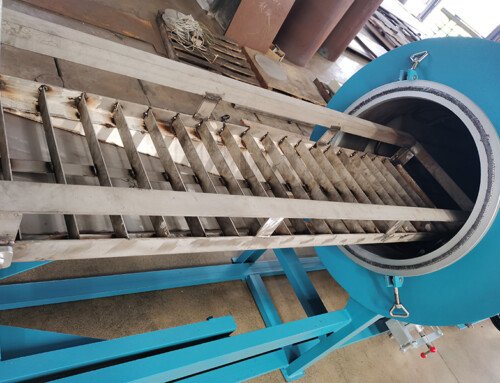
For high-volume industrial operations, the process can be tuned to run consistent repeatable cycles day after day, with minimal manual labor required between loads. Operators simply place the full batch of workpieces onto the loading rack, seal the chamber, and start the pre-programmed cycle, with no constant hands-on supervision required during the run time. This makes the process far more efficient than manual paint stripping or chemical stripping lines that require constant operator attention, frequent solution testing, and regular hazardous waste disposal procedures.
Over time, operators can refine their cycle parameters to match the exact mix of steel workpiece types and paint formulations they process most often. Keeping simple notes on cycle duration, paint thickness, and post-cycle cleanliness lets them gradually optimize total throughput, reduce unnecessary cycle time, and ensure even the most complex, oddly shaped steel parts come out completely clean and undamaged every single run. This level of consistent repeatability is what makes burn off ovens such a widely trusted workhorse in industrial coating refurbishment, metal recycling, and heavy equipment maintenance operations all over the world.