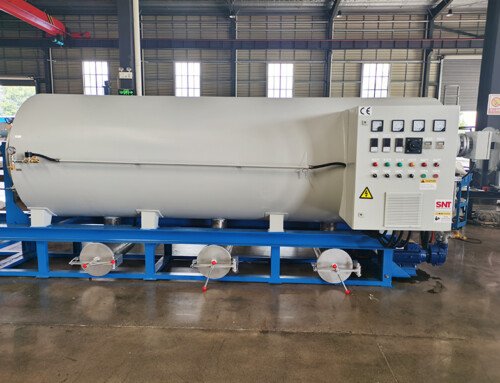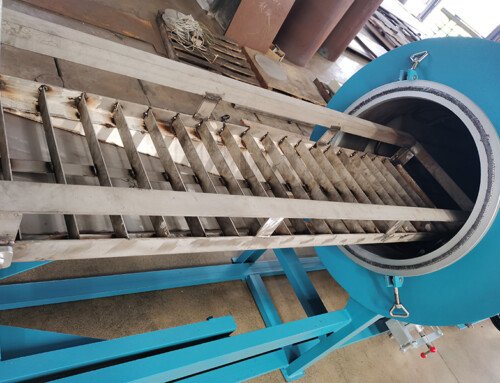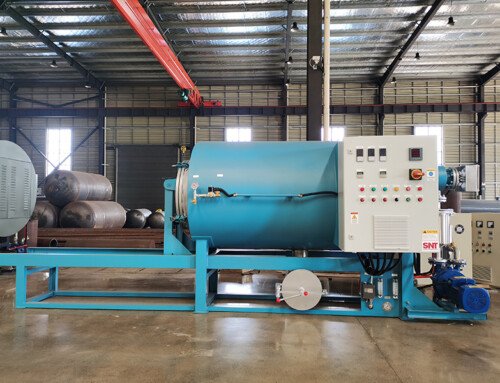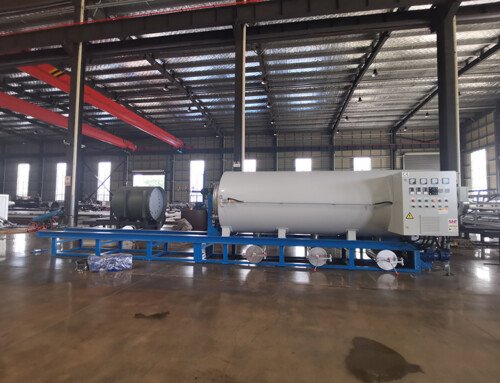
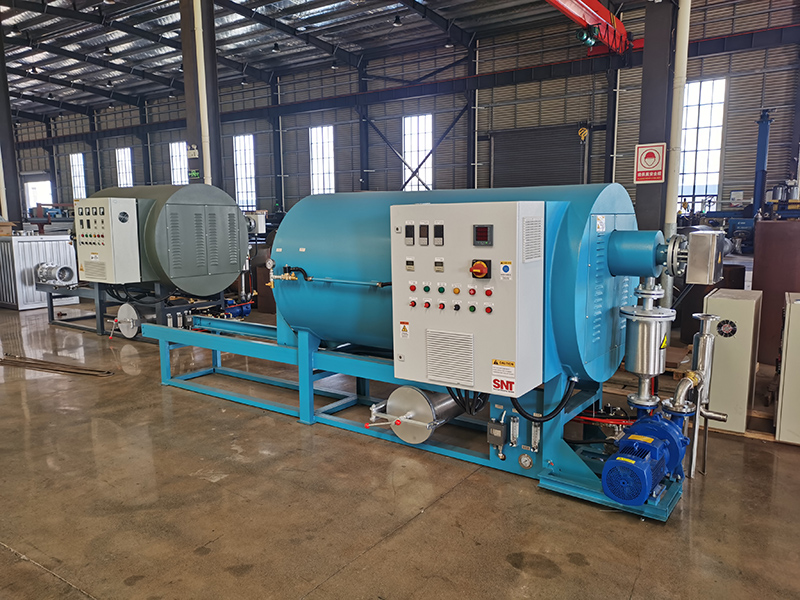
Stripping powder coating from aluminum parts requires a carefully controlled thermal process that removes fully cured organic material without compromising the base metal’s structural integrity, dimensional accuracy, or surface finish. Unlike thicker ferrous metals that can safely withstand much higher sustained temperatures, aluminum has a far lower melting point and is far more sensitive to prolonged heat exposure, making the thermal stripping process far more nuanced than standard burn off applications for steel or iron components. A properly configured burn off oven built specifically for this use case balances aggressive organic decomposition with precise heat regulation, so fully cured powder coating breaks down completely without softening, warping, or distorting the underlying aluminum substrate.
Many operators who first transition to thermal powder stripping for aluminum parts quickly learn that generic high temperature burn off processes designed for heavier metals will create irreversible damage to thin walled aluminum extrusions, precision machined components, and delicate cast parts. The entire process relies on tightly calibrated temperature curves, controlled atmosphere conditions, and carefully structured cycle timing that is tailored specifically to the unique properties of aluminum.
Controlled temperature profiles for aluminum substrate safety
The most critical factor in successful powder stripping on aluminum is maintaining a maximum operating temperature that stays well below the threshold where the metal begins to lose its original temper and mechanical properties. Even a relatively short period of exposure at excessive temperature can cause softening that makes precision parts lose their tight dimensional tolerances, warp under their own weight, or develop permanent surface distortions that make them completely unusable. This means the entire thermal cycle must be structured to ramp up temperature slowly, hold at a carefully calibrated mid-range setpoint for the bulk of the process, and avoid any unexpected temperature spikes that could push the chamber above the safe limit for aluminum.
A slow, gradual heat ramp at the very start of the cycle prevents thermal shock that can cause uneven expansion across complex part geometries, especially for components with thick and thin cross sections positioned right next to each other. If you heat the parts too quickly, the thinner sections will expand faster than the thicker sections, creating internal stress that can lead to permanent warping or even micro-cracks in the material. The slow ramp gives every part of the aluminum component time to heat up evenly, so the entire part reaches operating temperature at the same consistent rate.
The low oxygen atmosphere maintained inside the stripping chamber also plays a key role in protecting aluminum surface quality during the process. When oxygen levels are held at a carefully controlled low threshold, the powder coating decomposes through gentle pyrolysis rather than aggressive open flame combustion. This avoids the sudden localized hot spots that come with direct burning, and prevents the aluminum surface from developing heavy, uncontrolled oxidation that would require extensive post-processing to remove. The end result is a clean bare aluminum surface that retains its original smooth finish, with no discoloration or rough heat-affected texture.
Cycle structure for complete powder decomposition
A well-designed full cycle for aluminum powder stripping breaks down into distinct sequential phases, each optimized to handle a different stage of the organic material breakdown process. The initial low temperature ramp phase evaporates all residual surface oils, moisture, and light volatile contaminants before the temperature gets high enough to start decomposing the powder coating. This prevents sudden flash combustion that could create unexpected temperature spikes, and ensures all light, easily vaporized materials are removed in a slow, controlled manner.
Once the chamber reaches the target operating temperature, the main pyrolysis phase begins, where the bulk of the cured powder coating breaks down into gaseous compounds and fine dry ash. This phase runs for a carefully calibrated duration based on the thickness of the original powder coating, the total mass of parts loaded into the chamber, and the complexity of part geometries that can trap residual coating in tight crevices. The low oxygen environment ensures the material breaks down slowly and evenly, so even powder trapped in deep threaded holes, narrow grooves, and tight internal passages decomposes completely without requiring manual scraping or extra post-cycle work.
After the main pyrolysis phase finishes, a final short afterburner phase processes all the gaseous exhaust byproducts, breaking down any remaining volatile organic compounds before they are released from the system. This phase is run at a much higher temperature in a separate dedicated chamber, so it never exposes the aluminum parts inside the main stripping chamber to excessive heat. Once the afterburner cycle completes, the system begins a slow, controlled cool down phase that brings the entire chamber temperature down gradually. Fast quenching or sudden exposure to cool ambient air is avoided completely, because rapid uneven cooling can introduce new internal stress back into the aluminum parts that leads to warping long after the stripping process is finished.
Post-stripping part handling and process optimization
Once the cycle completes and the parts have cooled down to a safe handling temperature, almost all residual powder coating is left behind as a fine, dry, easily removable ash that wipes or blows off the bare aluminum surface with minimal effort. Unlike chemical stripping processes that leave behind sticky liquid residue that needs to be thoroughly rinsed off multiple times, this dry thermal process produces no messy liquid waste, and leaves no residual chemical compounds embedded in the porous surface of the aluminum. For parts that will be re-coated immediately after stripping, this leaves a completely clean, uncontaminated bare metal surface that creates far stronger adhesion for the new powder layer.
Operators can fine tune the process over multiple cycles by running small test loads with parts that match the exact alloy, wall thickness, and powder coating type they work with most often. Keeping detailed records of cycle duration, temperature profiles, and end results for each different part type lets you gradually refine your settings to minimize total cycle time while still ensuring zero substrate damage and 100% complete powder removal. Over time this creates a repeatable, reliable process that delivers consistent results even for high volume batches of precision aluminum components.
For parts that have been powder coated multiple times over years of service, the process can be adjusted slightly to extend the main pyrolysis phase, ensuring every single layer of old cured powder breaks down completely, even in the deepest, hardest to reach crevices. This makes the process extremely valuable for refurbishing recycled aluminum parts, jigs, and fixtures that would otherwise be too difficult or costly to strip back to bare metal using chemical or manual mechanical methods. The end result is a completely clean, undamaged aluminum part that is ready for rework, re-coating, or re-use with almost no additional post-processing required.