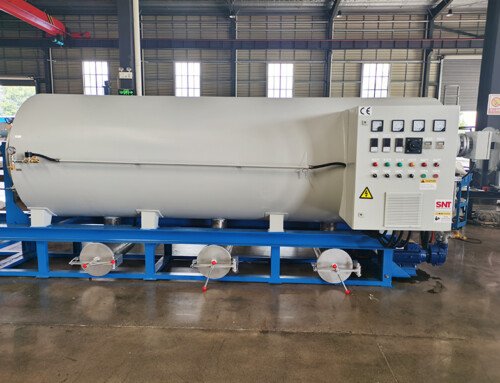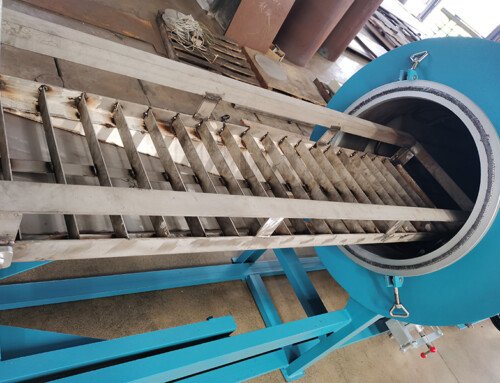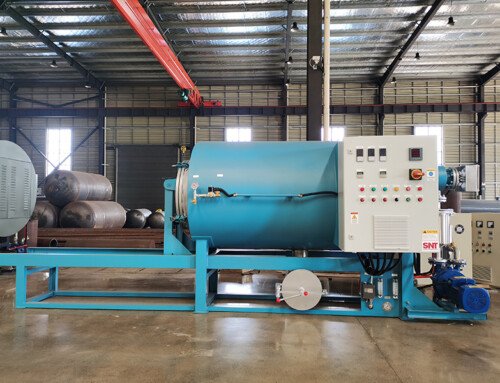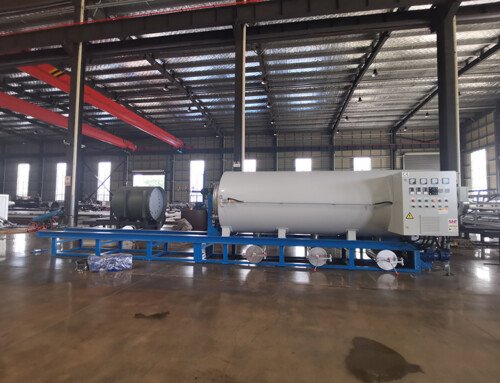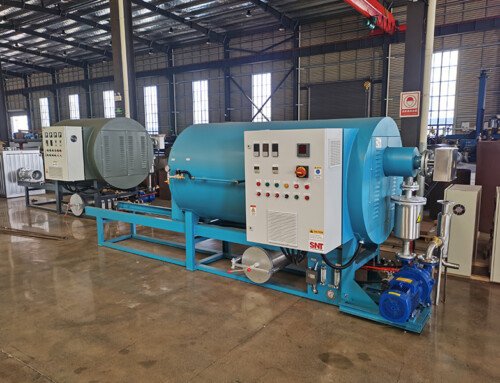
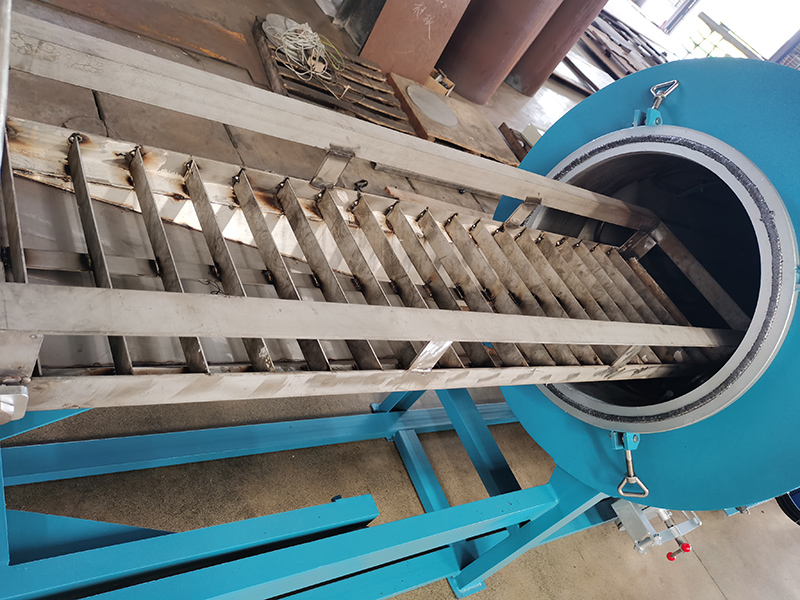
Thermal cleaning processes that strip organic coatings, grease, and carbon deposits from metal parts generate significant volumes of fumes, fine particulates, and volatile organic compounds that cannot be safely released directly into the surrounding workspace or external atmosphere. A burn off oven integrated with a dedicated afterburner for exhaust treatment addresses this core challenge by creating a two-stage thermal breakdown system that handles both the primary cleaning of workpieces and the full neutralization of all harmful byproducts generated during the cycle. This design transforms what would otherwise be a high-emission process into a controlled, environmentally responsible operation that can fit seamlessly into modern industrial facilities with strict air quality and worker safety standards.
Two-Stage Thermal Breakdown Process Architecture
The first stage of the system operates as the main pyrolysis chamber, where loaded metal parts with accumulated organic contaminants are heated in a carefully controlled low-oxygen environment. This temperature is calibrated to sit well below the softening or deformation point of common ferrous and non-ferrous metals, ensuring that even precision-machined components, thin-walled jigs, and delicate tooling come out completely structurally intact. Thick layers of paint, powder coating, hardened grease, and carbon deposits break down gradually into low-volatility solid ash and a stream of raw exhaust gas, with no rapid open flame combustion that could warp or damage the base material. This slow, uniform heating eliminates the risk of thermal shock, making the process safe for a far wider range of workpieces than direct flame cleaning methods.
Secondary Afterburner Exhaust Neutralization Stage
All raw exhaust gas generated in the primary pyrolysis chamber is ducted directly into the separate afterburner unit, where it is held at a significantly higher, precisely regulated temperature for a set minimum residence time. At this elevated heat level, every remaining volatile organic compound, unburned hydrocarbon, and fine particulate matter inside the gas stream undergoes complete thermal oxidation, breaking down fully into harmless carbon dioxide and water vapor. No untreated fumes or visible smoke can escape past this stage of the system, eliminating the thick, acrid plumes that older thermal cleaning units often release during heavy processing cycles. The extended residence time ensures even the most stubborn, slow-to-oxidize compounds are fully processed, so no partially broken down contaminants slip through the exhaust treatment workflow.
Operational Advantages for Industrial Work Environments
Facilities that integrate this combined system no longer need to allocate large, isolated external work zones for thermal cleaning operations, because the fully treated exhaust produces no strong chemical odors or visible airborne irritants. Workers in adjacent production areas are no longer exposed to drifting fumes that could cause respiratory irritation, and there is no risk of unfiltered exhaust settling on nearby finished parts and creating unexpected surface contamination. The fully enclosed, ducted exhaust path also eliminates the risk of stray embers or fine ash particles escaping into the workshop air, removing a common fire hazard associated with older, unenclosed heat cleaning processes. This creates a far safer, more comfortable working environment for every team member on the production floor.
Reduced Secondary Waste and Post-Processing Work
Because the afterburner breaks down nearly all organic material in the exhaust stream, the total volume of residual waste generated by the full process drops dramatically. The only leftover solid material from the primary chamber is a small, dry, non-hazardous ash residue that wipes away easily from cleaned parts with a simple dry cloth or soft air blast. There is no need for large, messy secondary wet scrubber systems that generate huge volumes of contaminated waste water requiring specialized hazardous disposal, and no expensive replaceable filter elements that need to be swapped out on a regular schedule. This cuts down on long-term operational labor, reduces ongoing waste handling complexity, and eliminates a whole category of recurring maintenance tasks that come with many alternative exhaust treatment solutions.
Long-Term Stability and Regulatory Alignment
The combined burn off oven and afterburner system is engineered with heavy-duty high-temperature insulation across both chambers, which traps heat efficiently to reduce unnecessary energy loss during extended operation. Multiple precision temperature sensors distributed across both stages continuously monitor heat levels, making automatic small adjustments to maintain exact target temperatures even as the load size or contaminant type changes between cycles. This consistent, tightly controlled performance ensures exhaust output stays stable and compliant across thousands of operating cycles, with no unexpected spikes in emission levels that could create conflicts with local air quality regulatory requirements. Facilities that process high volumes of contaminated parts on a daily basis can rely on this system to maintain consistent, compliant operation year after year without frequent major overhauls or unexpected performance drops.
Routine Maintenance for Sustained Performance
Regular upkeep for the system is limited to simple, low-frequency tasks that do not require specialized technical expertise. Operators only need to empty the primary chamber ash collection tray after every few cycles, wipe down internal chamber walls to remove any accumulated stray residue, and perform a quick periodic inspection of afterburner burner nozzles and temperature sensors to confirm they are free of minor ash buildup. There are no complex moving parts inside the high-temperature zones that can wear out quickly, so the system can run continuously for long stretches without unplanned downtime. This low-fuss maintenance profile makes the unit very easy for existing facility teams to manage, without needing to bring in external specialized technicians for routine day-to-day operation.