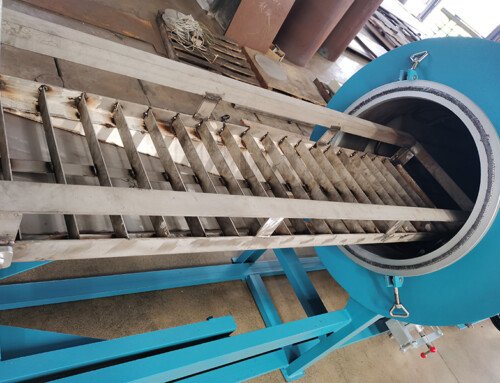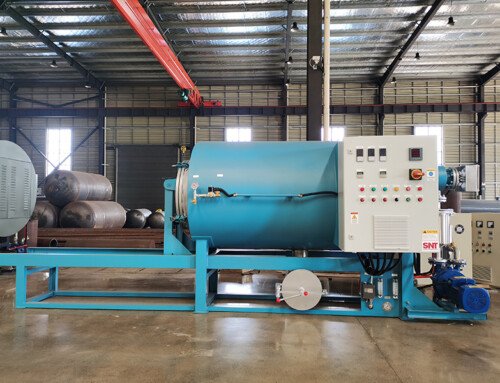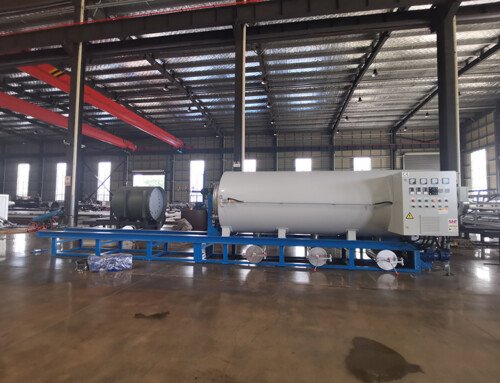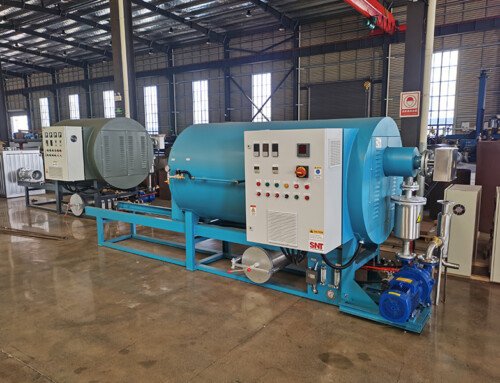
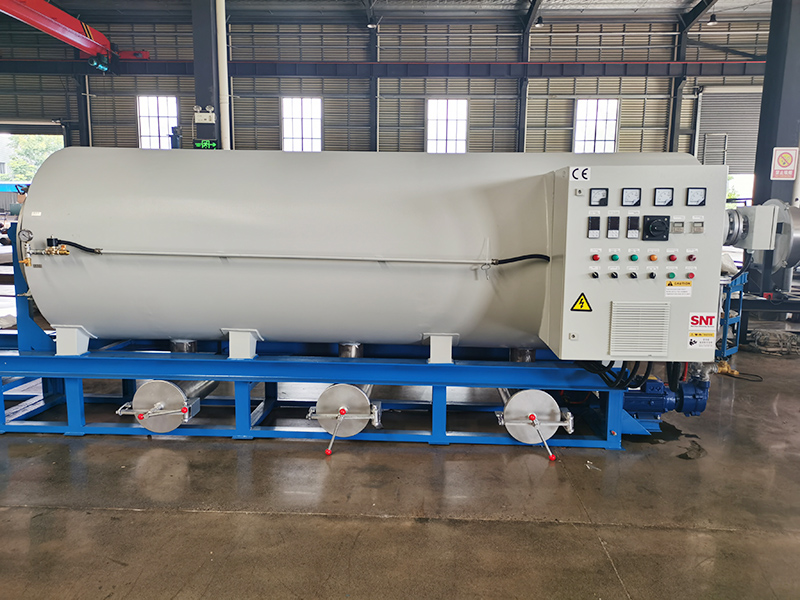
Finishing workshops handle constant buildup of cured paint layers, powder coating residues, and hardened organic contaminants on jigs, racks, and reusable production parts over months of continuous operation. Traditional manual cleaning methods often create inconsistent results, leave hidden residual layers, and generate large volumes of chemical waste that adds unnecessary operational complexity. A low emission burn off oven built for finishing workshop environments uses controlled thermal pyrolysis to break down these stubborn organic deposits completely, turning them into easily removable ash while keeping the base metal parts fully undamaged. This approach integrates smoothly into existing finishing workflows, supports consistent surface preparation quality, and aligns with modern environmental operational standards that many facilities are working to implement.
Core Operational Principles for Finishing Workshop Use
The system operates by raising the internal chamber temperature to a carefully calibrated, uniform level that sits well below the melting or deformation threshold of common metal substrates used in finishing jigs and tooling. At this precise temperature, thick layers of cured paint, powder coating, epoxy, and other organic residues begin to break down through controlled pyrolysis, rather than rapid, uncontrolled open flame combustion. This gradual, even heating ensures no sudden thermal shock hits the metal parts, so even thin, precision-machined finishing racks and delicate clamping fixtures come out completely undistorted and ready to go back into production immediately after the cycle ends. The entire process runs on a fully automated timed sequence, so workshop teams can load the chamber, start the cycle, and focus on other ongoing finishing tasks without needing constant hands-on supervision throughout the full cleaning run.
Integrated Emission Control Design
A low emission burn off oven for finishing workshops is engineered with a secondary afterburner chamber that treats all exhaust gases generated during the pyrolysis process before they are released to the external environment. This secondary stage raises the exhaust to a much higher temperature that completely breaks down volatile organic compounds, fumes, and fine particulate matter that would otherwise escape into the surrounding workshop air. The treated exhaust that exits the system contains far lower concentrations of airborne contaminants, eliminating the thick, unpleasant smoke and strong chemical odors that older, unregulated thermal cleaning systems often produce. This means the unit can be placed much closer to active finishing work zones, without requiring large, complex external ducting systems that take up huge amounts of valuable floor space.
Workflow Integration for Daily Finishing Operations
In a busy finishing workshop, cleaning cycles can be scheduled to run during off-shift hours, overnight, or during planned production breaks, so no valuable prime production time is wasted waiting for jigs and racks to be cleaned. Teams can load a full batch of contaminated racks, hooks, and fixtures into the chamber at the end of the workday, and return the next morning to find every part completely stripped of all old coating residues, with only a thin, harmless layer of fine ash that wipes away easily with a dry cloth. This eliminates the days of downtime that many workshops previously spent waiting for outsourced cleaning services to return their tooling, and removes the need for large dedicated storage areas full of spare, uncleaned racks waiting to be processed. The cleaned metal surfaces come out completely free of leftover coating traces, so every new finishing run applied to parts held by these jigs will have perfectly consistent adhesion, with no unexpected flakes or contamination spots caused by old residual layers.
Reduced Manual Labor and Chemical Waste
Moving to this thermal cleaning approach eliminates almost all the tedious, labor-intensive manual scraping, harsh chemical soaking, and high-pressure washing work that finishing workshop teams previously had to perform on a regular basis. Workers no longer need to spend hours scrubbing thick, cured coating residue off every individual rack and hook, and they are no longer exposed to the harsh fumes and skin irritants that come with constant heavy chemical cleaning work. The only leftover waste from the full process is a small volume of dry, non-hazardous ash that can be disposed of easily, with no need for special expensive hazardous waste handling procedures for large volumes of used chemical solvent. This cuts down on ongoing waste disposal work for the facility, while also creating a far safer, more comfortable working environment for every team member on the finishing workshop floor.
Long-Term Maintenance and Consistent Performance
The low emission burn off oven is built with heavy-duty insulated chamber walls that retain heat efficiently, reducing unnecessary energy waste during every full cleaning cycle. The temperature control system uses precision sensors placed at multiple points across the chamber, so heat stays perfectly uniform across every section of the load, eliminating cold spots that would leave thick coating residues partially unprocessed. Basic regular maintenance only involves periodic cleaning of the ash collection tray and a quick inspection of the afterburner system to ensure exhaust treatment stays fully effective. Over years of regular daily use, this consistent performance keeps cleaning results perfectly uniform across every single batch, so finishing workshop teams never need to worry about unexpected partial cleaning failures that would ruin a full upcoming production run. This level of reliable, predictable operation turns the unit into a stable, long-term workhorse that supports every part of the finishing workflow for a very long operational lifespan.
Safety Protocols for Workshop Installation
Proper installation of the system includes dedicated clear space around all sides of the chamber, with no flammable finishing materials, paint cans, or solvent storage placed within the recommended safety buffer zone. The unit is designed with multiple built-in safety interlocks that automatically pause operation if any sensor detects an unexpected temperature spike or abnormal pressure reading inside the chamber. Workshop teams only need to complete a short basic training session to learn how to load parts safely, start a standard cycle, and perform the routine post-cycle ash cleaning steps, with no specialized technical certification required for daily operation. These built-in safety features make the system easy to integrate smoothly into the existing finishing workshop, without creating new unmanaged risks for the rest of the production floor.