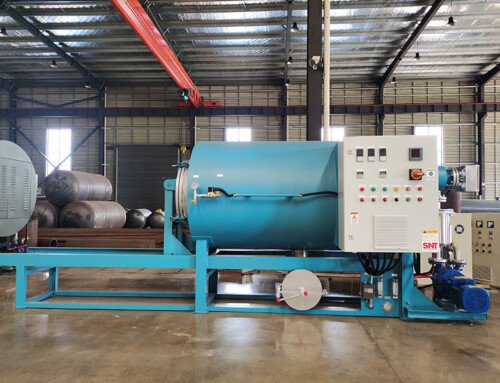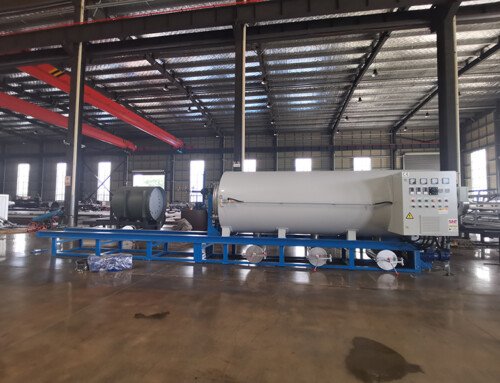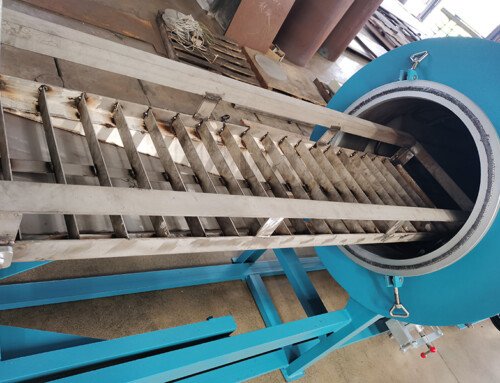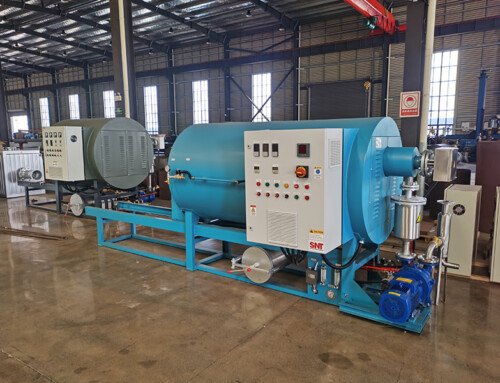
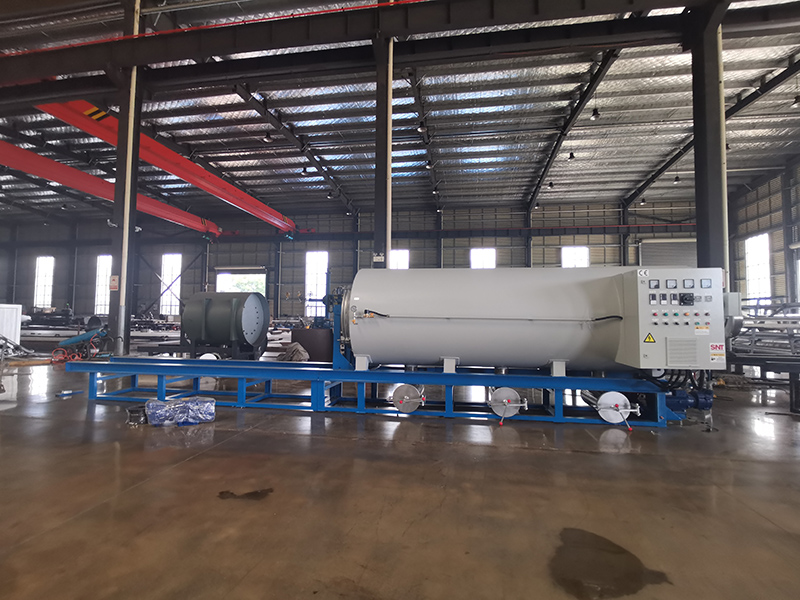
When a screw cleaning furnace is put into operation for the very first time after installation, skipping critical startup steps often leads to hidden residual impurities, unexpected component wear or long delays that push back your whole production schedule. This step-by-step guide covers every practical detail new operators need to follow to get the equipment running smoothly from day one.
Pre-commissioning full installation validation
Before you connect the power supply for the first time, walk around the whole equipment to check every mounting point and connection part. Confirm all anchor bolts on the base frame are tightened evenly, no part of the furnace shows any loose shake when you apply gentle pressure on the outer shell. Check all wiring terminals for temperature sensors, motor power lines and alarm signal cables, make sure every connector is inserted firmly with no exposed copper wires or loose pins. Verify the exhaust pipeline is connected to the designated external ventilation system properly, no section of the pipe has sharp bends that will block the flow of volatile gas later. Double check that all transport fixing brackets used to protect moving parts during delivery have been fully removed, these temporary brackets will cause serious mechanical jams if left in place during operation.
No-load dry run test before introducing any materials
Power on the control system first, do not add any raw materials or start heating immediately. Run the screw at the lowest possible speed for 30 consecutive minutes, observe the whole rotation process closely to check for abnormal noise, unexpected vibration or sudden current spikes on the control panel. Test every independent heating zone one by one, confirm each zone can reach the set temperature steadily, and the real-time reading from the temperature sensor matches the actual measured value you get from a handheld thermometer. Trigger every safety alarm manually to verify the over-temperature alert, over-pressure alert and emergency stop button can respond correctly and cut off the power as designed. Keep a full record of all no-load test data, mark down any small abnormal signs you notice during this process and fix them before moving to the next step.
First material feeding and initial cleaning cycle
Raise the temperature of all heating zones to the preset working level step by step, keep the constant temperature for 40 minutes to make sure the whole metal structure of the furnace is heated evenly. Introduce a small amount of compatible transition material slowly into the feeding port, do not pour a large volume of material all at once which will cause the screw to jam. Run the screw at a low steady speed for 2 full cycles, let the melted transition material flow through every gap on the screw and the inner wall of the barrel. This first flow of material will carry away all tiny metal shavings, dust and residual lubricants left from the assembly and installation process. Observe the extruded material coming out from the discharge port closely, stop feeding new material only when the extruded strip shows a fully uniform texture with no visible tiny impurities or discoloration spots.
Precision component protection during first operation
During the first 3 hours of formal operation, keep the screw rotation speed 30 percent lower than your regular working speed. This low running speed gives all moving parts a gentle break-in period, avoiding unnecessary wear on the brand new matching surfaces of the screw and barrel. Do not apply full rated working pressure in this initial stage, gradually increase the system pressure to the standard level over the break-in process. Check the temperature of the motor bearing and gearbox every 30 minutes, make sure the temperature rise stays within the normal safe range. Avoid any sudden change of operation parameters in this period, stable and steady running is the core rule to extend the long service life of the new equipment.
Post-commissioning first shutdown and full inspection
After the first full operation cycle is finished, power off the heating system first, keep the screw running at low speed until the whole equipment cools down to below 70 degrees Celsius. Open the access door slowly, check the surface of the screw and the inner wall of the barrel, confirm there are no abnormal scratches or uneven wear marks on the metal surface. Inspect all sealing gaskets and connection flanges, make sure no material leakage happens during the whole first operation process. Wipe the outer shell of the equipment clean, clear away all residual materials left around the operation area, and fill in the first commissioning record sheet with all key operation data.
First operation parameter baseline logging
Mark down the stable working temperature, standard screw rotation speed and regular system pressure you confirmed during this first operation cycle, save these data as the baseline reference for all future daily operations. Every time you start the equipment later, compare the real-time running data with this baseline, any obvious deviation from the original value will help you spot hidden equipment faults at the earliest stage. Store the first operation log in a fixed file that all operators can check easily, this baseline data will become a critical reference for later maintenance, component replacement and operation adjustment.