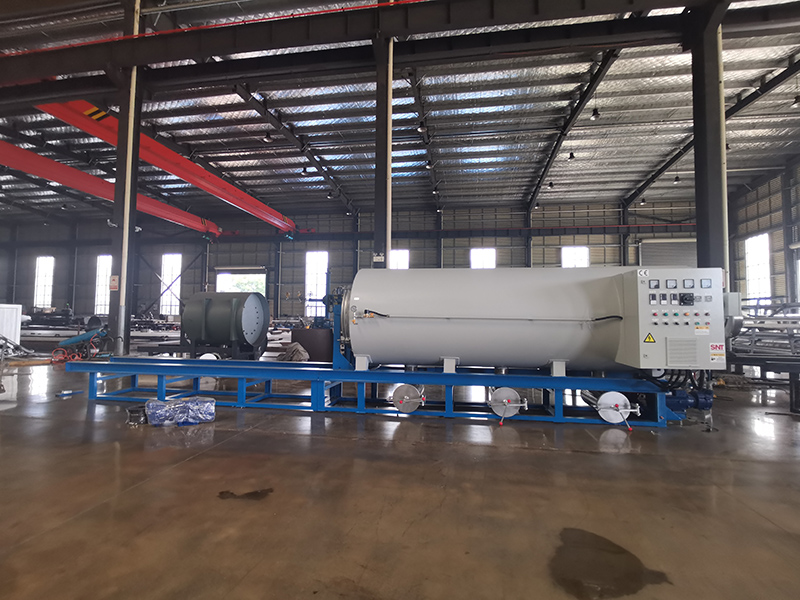
How to Choose the Right Small Screw Vacuum Cleaning Furnace in 2026
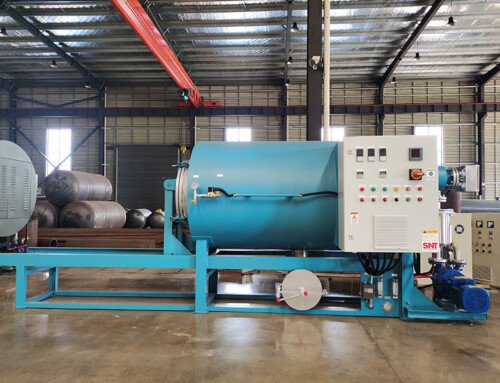
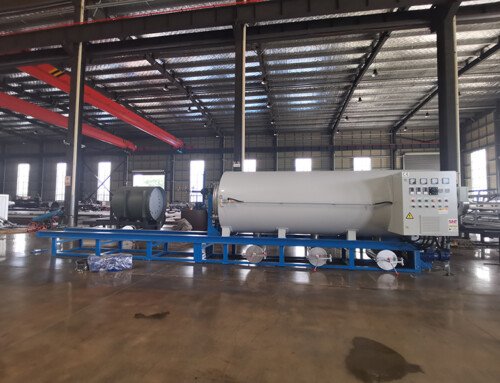
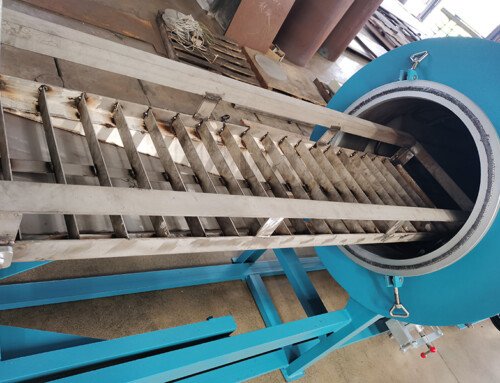
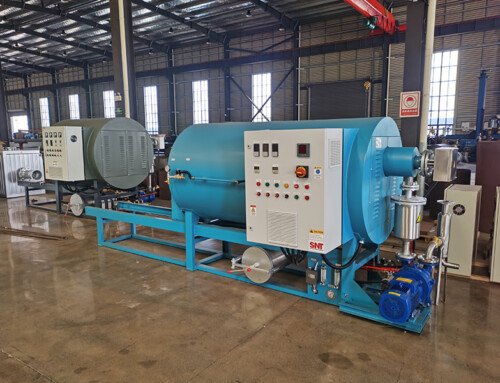
If you are running a small-scale operation and need a vacuum cleaning furnace for screws, spinnerets, or filters, the selection process can feel overwhelming. The market is flooded with options, and getting it wrong means wasted money, poor cleaning results, or both. This guide cuts through the noise and tells you exactly what matters when picking a compact unit.
Know Your Actual Cleaning Needs Before Anything Else
The biggest mistake buyers make is chasing specs that do not match their real workload. A small benchtop unit designed for lab use is fundamentally different from an industrial-grade machine handling 5 to 10 kg per batch.
Matching Chamber Size to Throughput
For small operations processing 50 to 100 parts daily, a 500L chamber capacity is usually sufficient. Going bigger means wasting energy on empty space. Going smaller means running multiple cycles, which kills productivity. Measure your typical batch size first, then size the chamber accordingly.
Temperature and Vacuum Requirements That Actually Matter
Do not settle for vague specs. A reliable small unit should hold vacuum at or below 10 Pa, with pump-down time under 30 minutes. Temperature control precision needs to stay within ±3°C, not the loose ±5°C some manufacturers advertise. Why does this matter? Because uneven heat means incomplete polymer decomposition, and that means you are cleaning the same part twice.
For semiconductor or high-precision plastic applications, the bar is even higher — vacuum fluctuation should stay within ±5 Pa, and residue must stay below 0.1 μg/cm². Most small shops do not need this level, but if you are cleaning precision screws or electronic components, it is non-negotiable.
Automation Features That Save Real Money
A small furnace with manual controls is a small furnace that will cost you more in the long run. Labor is not free, and human error is expensive.
PLC Control Systems Are No Longer Optional
Look for a unit with a PLC-based smart control system. This means multi-stage programmed heating, automatic constant temperature, automatic slag discharge, and cooling linkage. The operator presses one button and walks away. This reduces manual intervention by roughly 80%. For a small team running multiple shifts, that is the difference between smooth operations and constant firefighting.
Smart Monitoring and Alarm Functions
A good small furnace will display temperature, vacuum level, and runtime in real time. When vacuum leaks or temperature spikes, it should alarm and shut down automatically. This protects both the workpiece and the equipment. On a compact unit where heat concentration is higher, this feature is not a luxury — it is a necessity.
What Most People Ignore: Long-Term Maintenance Costs
The purchase decision is only the beginning. A cheap unit with no service support will drain your budget through downtime. Industry data shows a single equipment failure can cost 100,000 to 500,000 RMB in lost daily output. That number alone should change how you evaluate options.
Pump and Heating Element Upkeep
Every 500 operating hours, vacuum pump oil needs replacing — ISO VG100 grade is the standard recommendation. Every 1000 hours, run a gas tightness test on the pump. Heating elements should be cleaned monthly and temperature sensors recalibrated quarterly, with error kept within ±1°C. Do these things, and your mean time between failures can stretch past 8000 hours — a 30% improvement over neglectful use.
Warranty and Service Response Matter More Than You Think
Aim for a minimum 5-year warranty with free replacement of core components like heating tubes, vacuum pumps, and control systems. The supplier should offer 24-hour technical support and on-site repair within 48 hours for nearby regions. One rubber company learned this the hard way — a delayed supplier response left their equipment down for 3 days, costing over 150,000 RMB in losses.
Material and Safety Standards You Should Not Skip
The inner chamber wall should use high-temperature stainless steel, ideally 310S grade. It resists corrosion, does not coke easily, and cuts cleaning costs over time. On the safety side, look for explosion-proof rating Exd II CT4 and protection rating IP66 at minimum. These are not just labels — they mean the furnace can handle the heat and the environment without becoming a liability.
For facilities handling flammable polymer residues, ask whether the supplier can provide customized explosion-proof configurations. Some manufacturers can deliver units rated Ex db IIC T2 to T6 Gb, which covers most chemical and new energy scenarios.
The Bottom Line on Small Unit Selection
Do not let the low price tag fool you. A small screw vacuum cleaning furnace is a precision instrument, not a disposable tool. Prioritize temperature accuracy, vacuum stability, automation capability, and service reliability over flashy marketing. The right small unit will run clean, run cool, and run for years — the wrong one will sit in a corner costing you money every single day.