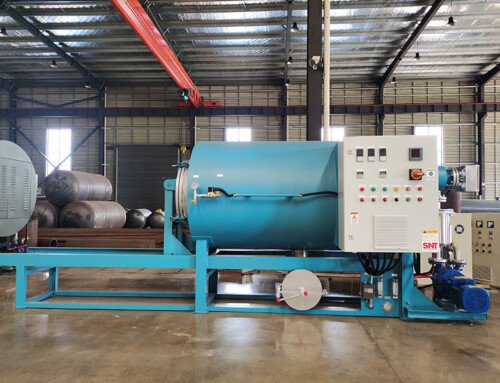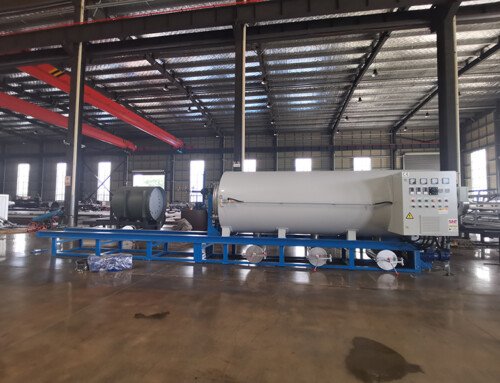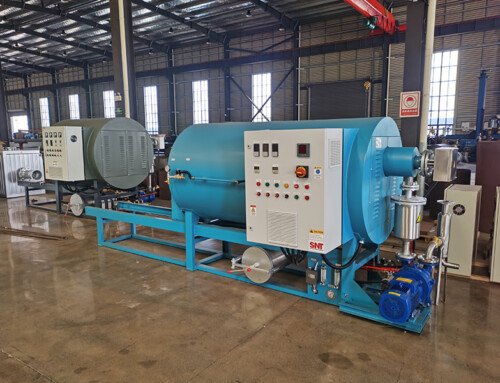
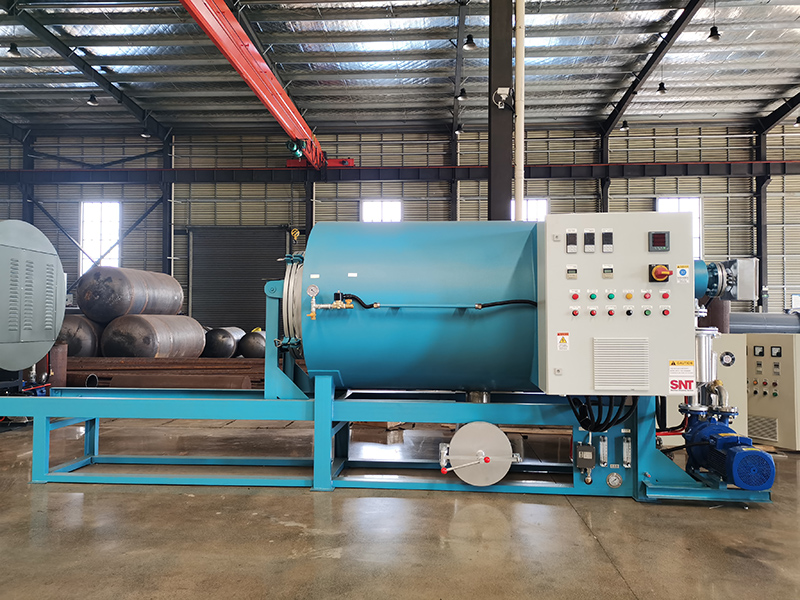
Screw Vacuum Cleaning Furnace: What Actually Matters When You Buy One
Buying a vacuum cleaning furnace for screw components, spinning plates, or filter cores is not like picking a toaster off the shelf. One wrong spec and you end up with a machine that cleans poorly, eats electricity, or dies on you mid-production. The market is flooded with options, most of them looking identical on paper. The difference is in the details nobody talks about until it is too late.
Here is what separates a furnace that pays for itself from one that becomes an expensive paperweight.
Match the Specs to Your Actual Workload
The biggest mistake buyers make is oversizing or undersizing. A furnace that is too big wastes energy every single cycle. One that is too small bottlenecks your entire line.
Furnace Volume and Throughput
For operations handling 50 to 100 pieces per day, a 500L chamber is usually sufficient. Push past 100 pieces daily and you need 1000L or larger. The rule is simple: never let the furnace run below 60% capacity or above 90%. Both extremes kill efficiency. If your daily volume fluctuates, look for a unit with modular chamber options so you can scale without replacing the whole machine.
Temperature Precision Is Non-Negotiable
Cheap furnaces quote temperature control at plus or minus 5 degrees. That sounds fine until you realize uneven heat means incomplete cleaning on some parts and thermal damage on others. The real target is plus or minus 3 degrees or tighter. This ensures organic residues decompose uniformly across every component inside the chamber. For semiconductor or pharmaceutical applications, the requirement tightens even further, with vacuum fluctuation needing to stay within plus or minus 2Pa. That level of precision costs more upfront but saves enormous money in scrapped parts and failed batches.
Vacuum Level and Pump-Down Time
A furnace that cannot pull below 10Pa is not doing its job. Oxygen left in the chamber causes oxidation during the cleaning cycle, which defeats the entire purpose of vacuum processing. Pump-down time should be 30 minutes or less to reach target pressure. Anything slower means longer cycle times and lower throughput. When evaluating units, ask for actual vacuum curves, not just a single number on a spec sheet.
Automation Is Where Long-Term Costs Live or Die
A furnace with no automation is a furnace that depends entirely on operator skill. And operators vary shift to shift. The goal is to remove human variability from the process entirely.
PLC Control With Multi-Segment Heating
A proper PLC system should handle at least 3 to 5 programmable temperature nodes, auto-hold at setpoints, auto-discharge residue, and link cooling to the vacuum cycle. This means one button starts the entire process and the machine shuts itself down when done. Operations that have made this switch report cutting manual intervention by 80%. That is not a marginal improvement. That is a fundamental shift in how reliable your output becomes.
Real-Time Monitoring and Auto-Alarm
Look for units that display temperature, vacuum level, and runtime in real time on the control panel. More importantly, the system should auto-alarm and shut down if vacuum leaks or temperature spikes. A furnace that silently fails during a cycle can destroy an entire batch of components before anyone notices. The alarm feature is not a luxury. It is insurance.
Build Quality Determines Lifespan
Two furnaces with identical specs can perform completely differently after two years. The difference is almost always in materials and construction.
Chamber Material Matters More Than You Think
The inner lining should be 310S grade stainless steel. It resists high-temperature corrosion, does not build up carbon deposits easily, and holds up against repeated thermal cycling. Cheaper grades start scaling and pitting within months, which means more downtime for cleaning and shorter component life inside the furnace.
Insulation and Energy Efficiency
Furnaces with thick silica aluminum insulation layers consume roughly 12% less energy than average units. Over 300 operating days per year, that adds up to meaningful savings. Check the insulation thickness and material before signing anything. A furnace that leaks heat is burning money every single cycle.
After-Sales Support Is the Real Cost Driver
This is where most buyers get burned. The purchase price is only part of the story. Maintenance typically runs 5% to 8% of the acquisition cost per year. But a single unplanned shutdown can cost tens of thousands in lost production.
Warranty Terms Tell You Everything
Avoid any vendor offering less than 5 years on core components. The heating elements, vacuum pump, and control system are the parts that fail first. If the warranty does not cover free replacement of these, you are paying full price every time something breaks. Some suppliers also offer extended warranty options that cover the entire drive train. Take them.
Response Time Is a Dealbreaker
A 24-hour technical support line is the minimum. On-site repair should happen within 48 hours for critical faults. There are documented cases where a 3-day delay due to slow vendor response cost a single operation over 150,000 in lost output. Before buying, ask for references from existing customers in your industry. A vendor with over 1,000 units delivered and a repurchase rate above 80% has earned that track record for a reason.
Industry-Specific Requirements Change the Game
A generic furnace does not work for every application. The industry you operate in dictates additional requirements that can add significant cost if ignored early.
Pharma and Cleanroom Needs
If you are cleaning components for pharmaceutical use, the furnace needs HEPA filtration on the exhaust and must meet GMP-level cleanliness standards. That typically adds a dedicated filtration module and stricter validation protocols. Skipping this to save money means you cannot use the furnace for your highest-value work.
Explosion-Proof Rating for Chemical and New Energy
Operations in chemical processing or new energy sectors may need furnaces rated to Ex db IIC T2 through T6 Gb explosion-proof standards. This is not optional. It is a safety and regulatory requirement. Make sure the vendor can certify to the correct explosion-proof class before any purchase commitment.
Customization for Unusual Components
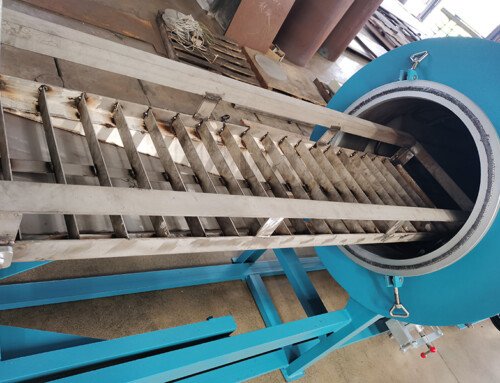
Standard chambers do not always fit non-standard screw lengths, filter cores, or oddly shaped molds. The best vendors have decades of non-standard equipment experience and can adjust chamber dimensions, heating ramps, and vacuum profiles to match your exact components. A furnace that fits your parts perfectly will always outperform a generic unit you are forcing your parts into.