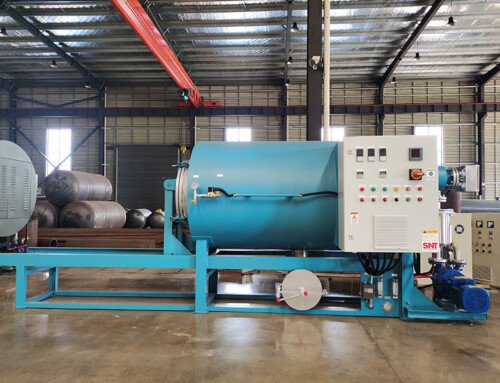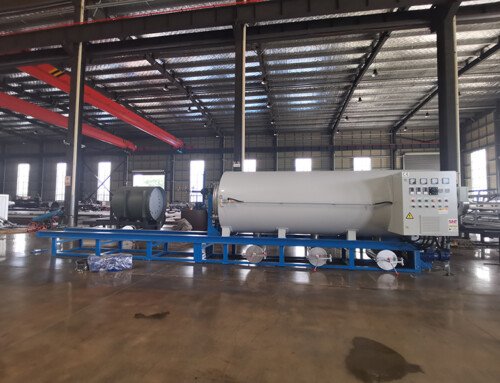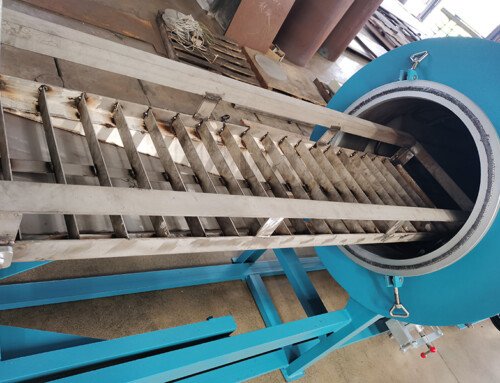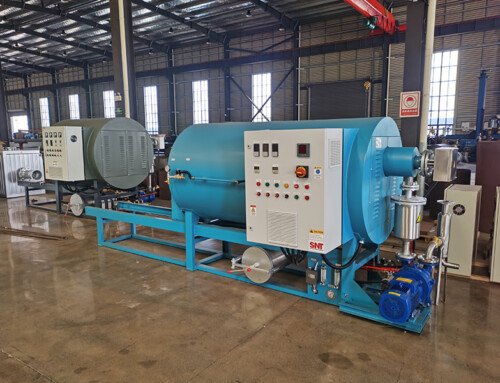
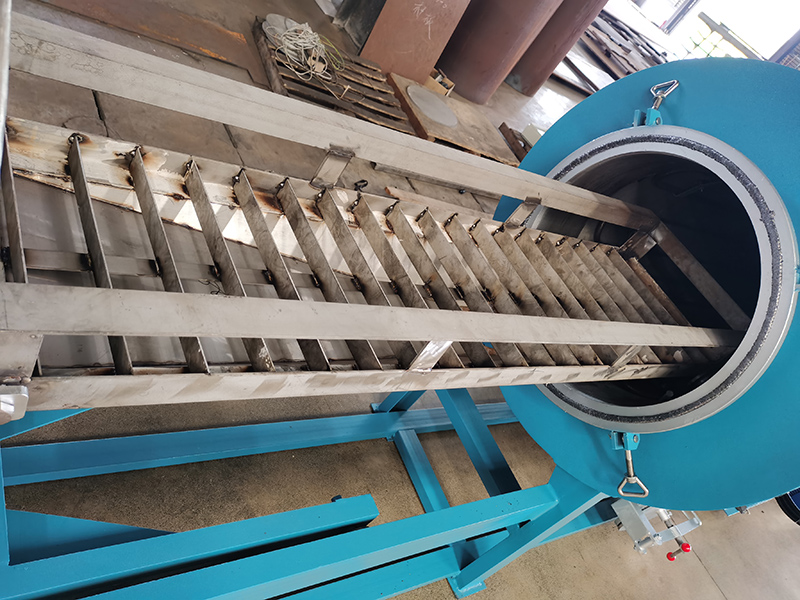
Basic Maintenance Knowledge for a Screw Cleaning Furnace
A screw cleaning furnace operates under high temperatures and continuous thermal cycling during industrial cleaning processes. Proper basic maintenance helps improve equipment reliability, maintain cleaning efficiency, and reduce long-term operating risks.
Understand the Importance of Routine Maintenance
Daily maintenance is not limited to cleaning the furnace chamber. It also includes inspection of electrical systems, ventilation equipment, temperature controls, and structural components.
Consistent maintenance helps identify small issues before they develop into major equipment failures.
Keep the Furnace Environment Clean
Dust, ash, and polymer residue around the furnace may affect airflow and increase fire risks.
Maintaining a clean operating area improves ventilation efficiency and supports safer furnace operation.
Follow Stable Operating Procedures
Frequent rapid heating, sudden shutdowns, or overloaded operation may accelerate wear on heating elements and insulation materials.
Stable operating habits help extend the overall service life of the furnace.
Furnace Chamber Care and Cleaning
The internal chamber condition directly affects thermal performance and cleaning quality.
Remove Residue After Cooling
After the furnace cools to a safe temperature, ash and carbon residue should be cleaned from the chamber interior.
Residue accumulation may interfere with airflow circulation and reduce heating efficiency.
Inspect Chamber Surfaces Regularly
Operators should check for cracks, corrosion, deformation, or insulation damage inside the chamber.
Early inspection helps prevent structural deterioration caused by repeated thermal expansion.
Keep Airflow Passages Unblocked
Ventilation channels and exhaust openings should remain free from dust and residue buildup.
Stable airflow supports balanced temperature distribution during operation.
Heating System Maintenance Basics
The heating system is one of the most important parts of a screw cleaning furnace.
Check Heating Elements Frequently
Heating elements should be inspected for oxidation, surface wear, or uneven heating conditions.
Damaged elements may cause unstable temperatures and inconsistent cleaning results.
Monitor Temperature Stability
Abnormal temperature fluctuations may indicate sensor problems, electrical instability, or controller issues.
Regular monitoring helps maintain safe and consistent heating performance.
Calibrate Temperature Controllers Periodically
Temperature controllers and sensors should be calibrated according to maintenance schedules.
Accurate control improves cleaning consistency and reduces unnecessary energy consumption.
Ventilation and Exhaust System Care
Proper ventilation is essential for maintaining safe furnace operation.
Clean Exhaust Systems Regularly
Smoke, decomposition gases, and fine residue particles may accumulate inside exhaust ducts over time.
Routine cleaning improves airflow efficiency and reduces operational resistance.
Inspect Fan Operation
Ventilation fans should operate smoothly without abnormal noise or vibration.
Weak airflow may lead to heat accumulation and unstable chamber conditions.
Monitor Airflow During Operation
Operators should observe ventilation performance throughout heating and cooling cycles.
Stable airflow supports safer working conditions and improves residue decomposition efficiency.
Electrical System Protection and Inspection
Electrical maintenance helps reduce downtime and improve operational safety.
Inspect Electrical Connections
Loose terminals, worn cables, or overheated electrical components may affect furnace reliability.
Routine inspection helps prevent unexpected shutdowns and electrical hazards.
Keep Electrical Cabinets Dry
Moisture and dust inside control cabinets may damage electrical systems and reduce insulation reliability.
A dry environment helps maintain stable furnace operation.
Test Safety Devices Regularly
Emergency stop systems, overload protection devices, and temperature alarms should be tested periodically.
Reliable safety systems help reduce equipment damage during abnormal operating conditions.
Long-Term Maintenance Habits for Furnace Stability
Consistent operating practices help improve long-term furnace performance.
Avoid Continuous Overloading
Excessive chamber loading may reduce heat circulation efficiency and create uneven cleaning conditions.
Balanced operation helps protect furnace structures and heating components.
Allow Proper Cooling After Operation
Natural cooling reduces thermal stress on screws, heating elements, and insulation materials.
Rapid cooling methods may shorten equipment lifespan.
Maintain Accurate Maintenance Records
Recording inspection results, operating temperatures, cleaning cycles, and repair history helps track equipment condition over time.
Detailed maintenance records also support preventive servicing and troubleshooting analysis.