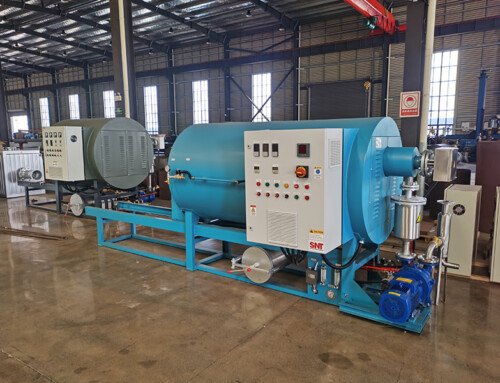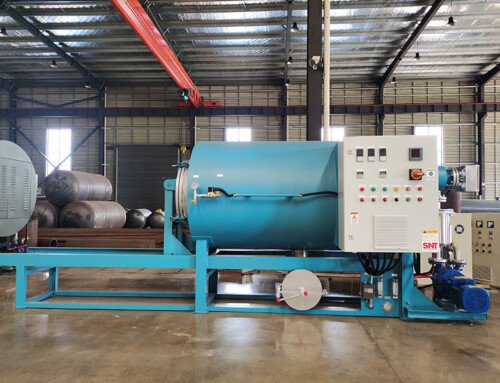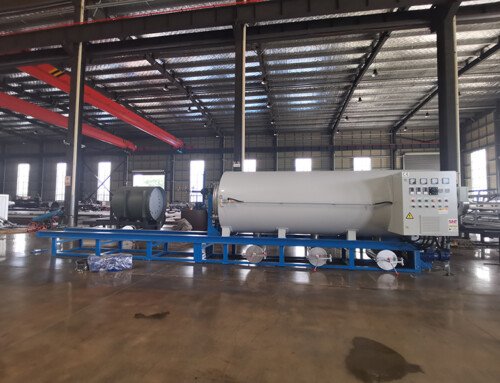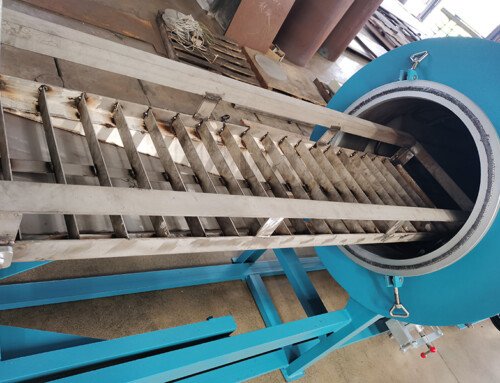
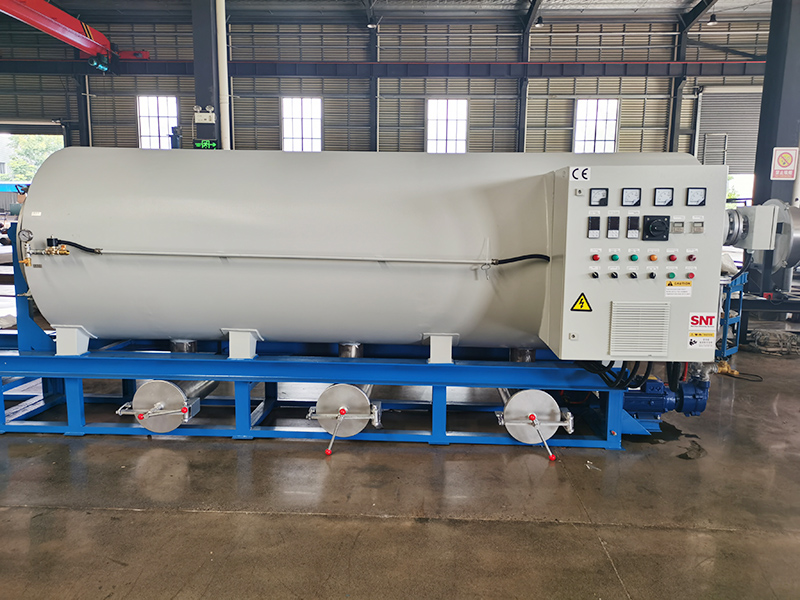
Screw Cleaning Furnace Shutdown Maintenance in Low-Temperature Environments
Pre-Shutdown Temperature Stabilization Steps
Never cut the main power abruptly when the furnace has just finished a full production run in cold surroundings. Sudden power loss traps residual heat inside the core components while the outer frame is exposed to frigid air, creating uneven temperature distribution that can warp metal parts over repeated cycles. Start by running a low-power, no-load cycle for 15 to 20 minutes, letting the internal temperature drop slowly and evenly to a level just slightly above the ambient room temperature. This gradual transition eliminates sharp thermal gradients that are far more damaging in cold environments than they are in standard workshop conditions.
Check all internal moving components while the furnace is still in this mild warm state. Any leftover moisture that has not yet frozen will still be in liquid form, making it far easier to wipe away before it turns into thin ice layers that block narrow gaps. Pay extra attention to the lowest points of the chamber and all drain paths, where water naturally flows down and collects. Even a tiny puddle left here can expand when it freezes, putting unnecessary pressure on surrounding metal and creating hidden structural stress you cannot see from the outside.
Avoid opening all access panels fully while the outdoor temperature is far lower than the furnace’s current internal temperature. A sudden rush of frigid air into the warm chamber can cause instant condensation on every internal surface, leaving a thin film of moisture that will turn to frost as the machine cools further. Open only one small access point at a time, and work quickly to clear visible residues before moving on to the next step. This small adjustment cuts down the amount of unwanted condensation that forms drastically, making the rest of the shutdown process far simpler and safer for all components.
Full Moisture Elimination for Cold-Weather Shutdown
Once the furnace’s internal temperature matches the ambient low temperature, wipe every accessible inner surface with a dry, lint-free cloth. Focus on hidden corners, under support brackets, and along the edges of sealing gaskets, where tiny droplets of condensed water often collect and go unnoticed. Even a single drop of water trapped in a gasket groove can freeze overnight, creating a small gap that breaks the seal and lets more cold air seep into the chamber on subsequent shutdowns. Over time, this repeated freeze-thaw cycle will make the gasket material turn brittle and crack long before its expected service life ends.
Run the built-in air circulation system at its highest natural speed for 10 minutes after you finish manual wiping. This pushes out all remaining moist air trapped in narrow ventilation channels and small gaps between components, so no water vapor is left to settle and freeze on unseen internal parts. Do not force external compressed air into the chamber at high pressure, as this can blow fine moisture particles deep into electrical connection points where they will cause hidden corrosion once they thaw later. Let the furnace’s own low-speed circulation system do the work at a gentle, steady pace to avoid pushing moisture into sensitive areas.
Inspect all drain lines and overflow paths for any leftover material or standing water. Clear out any small debris that could block these paths, so no water gets trapped inside the pipes and freezes solid. A frozen blocked line can create internal pressure buildups that damage pipe walls and connection points, leading to unexpected leaks when the weather warms up again. This check only takes a few minutes, but it prevents a whole range of hidden issues that are extremely common after long shutdowns in below-freezing environments.
Long Idle Period Protection in Sustained Low Temperatures
Once all moisture is fully cleared, leave the furnace door and all small access panels cracked open by a narrow, consistent gap. This keeps the internal air pressure equal with the outside environment, preventing negative pressure from pulling in more cold, moist air as the temperature continues to drop overnight. Do not seal the furnace completely airtight for multi-day shutdowns in cold weather, as trapped small amounts of residual moisture will have nowhere to escape and will slowly form frost on every metal surface over time.
Check the surrounding area around the furnace base to make sure no melted ice or snow from nearby walkways can seep under the machine frame. Even a small amount of water that pools under the furnace can freeze and cause the base to shift slightly, throwing off the precise alignment of internal moving parts. Wipe the floor around the machine completely dry, and make sure no cold drafts from open windows or exterior doors blow directly onto the furnace body. Constant direct cold airflow on one section of the machine will create uneven cooling that speeds up part wear far faster than consistent, even low ambient temperature.
If the shutdown will last for more than a week in sustained freezing conditions, come back to run a 10-minute low-temperature no-load cycle once every three days. This small, gentle heat run raises the internal temperature just high enough to melt any tiny traces of frost that started to form, then lets the machine cool back down slowly in a controlled way. This simple habit stops hidden ice buildup from damaging sensitive components, and ensures the furnace is ready to start up smoothly when the next production cycle begins, with no unexpected faults caused by cold weather neglect.