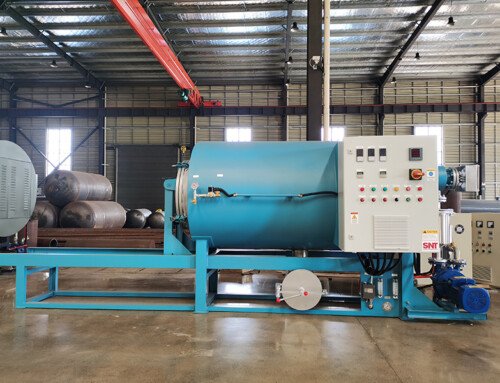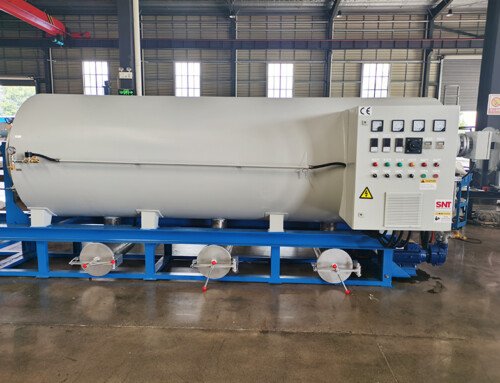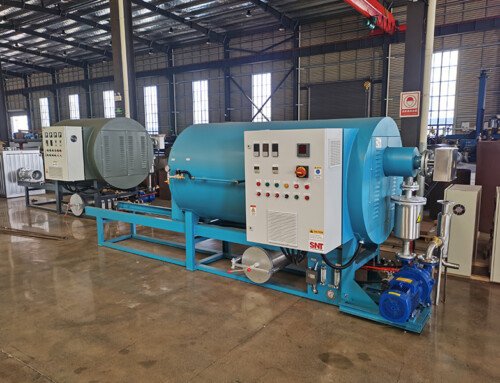
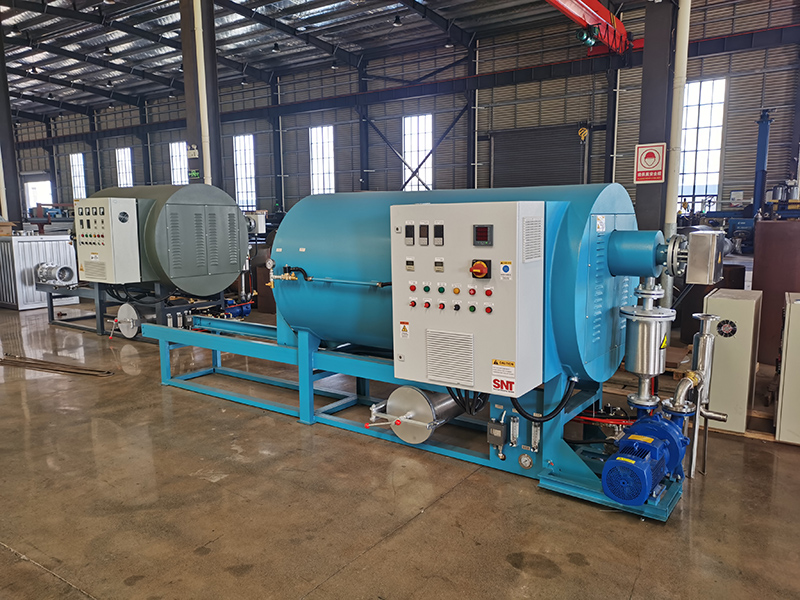
Engine components that see thousands of hours of high-temperature operation inevitably build up thick, layered deposits of carbon, coked oil, burnt fuel residue, and baked-on gasket material that standard mechanical cleaning methods cannot fully remove. Wire brushing, abrasive blasting, and harsh chemical solvents often leave hidden traces of contamination behind, or even scratch and damage precision machined sealing surfaces that are critical to engine performance. A burn off oven delivers a fully controlled thermal cleaning process that vaporizes and oxidizes every layer of organic contamination, restoring used engine parts to a near-factory clean state without the mechanical wear or chemical residue that comes with other cleaning methods. This makes it a staple solution for engine rebuild shops, heavy equipment maintenance facilities, and performance engine workshops that need consistent, high-quality cleaning results for high-value precision components.
Controlled heat ramp cycles to prevent distortion on precision machined parts
The biggest risk when thermally cleaning engine components is uneven or excessive heat that causes thin-walled, precision machined parts to warp out of their tight dimensional tolerances. Many critical engine parts, from cylinder heads and connecting rods to valve train components, are engineered to extremely tight clearances, and even a tiny amount of thermal deformation will make them unusable for reassembly. A properly structured burn off cycle starts with a very slow, low-temperature pre-heat phase that gently drives off all residual light oils, moisture, and volatile compounds, preventing sudden flash boiling that could create localized thermal shock and stress inside the metal structure.
Once all light volatiles are safely removed, the temperature rises gradually to a carefully calibrated oxidation holding range, where all carbonized oil, coked fuel, and burnt gasket material breaks down steadily without rapid, uncontrolled combustion that would create unexpected temperature spikes. This holding phase is maintained long enough to penetrate every crevice, oil gallery, and threaded hole on the component, breaking down even the thickest, most stubborn carbon deposits that mechanical tools can never reach. The final stage of the cycle brings the entire oven temperature down at an extremely slow, controlled rate, letting the metal cool uniformly and release all internal thermal stress. This slow cool-down process eliminates almost all risk of warping, so every precision machined surface stays perfectly flat and true to its original dimensional specification.
Post-thermal processing to remove residual inorganic ash
After the full burn off cycle is complete and components have cooled completely to room temperature, all organic contamination will have been fully oxidized, leaving behind only a thin, dry layer of inert inorganic ash that is easy to remove with minimal effort. Unlike messy, sticky carbon deposits that smear and stick to every surface, this ash has no adhesive properties at all, so it can be removed quickly without aggressive scraping or harsh abrasive media that could damage polished sealing surfaces or soft base metal. Most workshops use low-pressure compressed air to blow away the majority of the ash, directing airflow through internal oil galleries, coolant passages, and threaded holes to clear out every last trace of residue trapped in hard-to-reach spots.
For components with very fine, tight features or lightly corroded surfaces, a gentle, low-impact media blast with a soft, non-abrasive medium will remove any remaining ash and light surface oxidation in seconds, without scratching or altering the original machined tolerance. After this step, technicians can perform a quick visual inspection to confirm every surface, passage, and threaded hole is completely free of old carbon, gasket material, and oil residue. Parts cleaned this way are far cleaner than they could ever be with manual scrubbing or chemical soaking, leaving no hidden contamination that could break loose later inside a rebuilt engine and cause unexpected wear or damage during operation.
Operational safety and process consistency for high-volume workshop use
Thermal cleaning of heavily contaminated engine components releases significant amounts of volatile fumes during the oxidation phase, and these byproducts need to be properly managed to maintain a safe, compliant workshop environment. All exhaust pulled from the main burn off chamber is routed through a high-temperature secondary afterburner, which raises the exhaust stream to a much higher temperature for long enough to fully break down all remaining volatile organic compounds, eliminating smoke, heavy odors, and unburned fumes before the air is released to the facility vent. This keeps the workshop air clean and avoids the fume and smoke buildup that comes from older, unenclosed thermal cleaning methods.
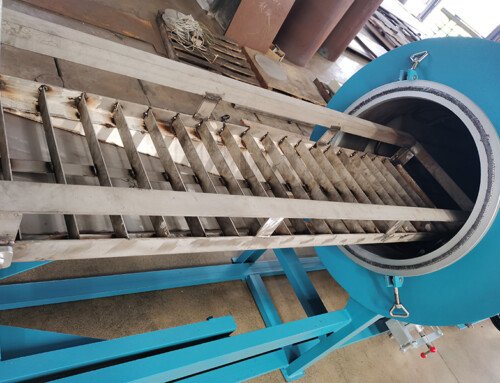
Workshop teams develop consistent, repeatable loading habits to ensure every batch of parts gets uniform, even cleaning with no unexpected issues. Parts are arranged on open, sturdy racks with plenty of empty space between them, so hot circulating air can reach every single surface of every component with no blocked spots. Heavily coked parts that carry extremely thick carbon deposits are never mixed in with thin, delicate precision components in the same cycle, to avoid unexpected heat spikes that could distort more sensitive pieces. Regular calibration of temperature sensors, inspection of door seals, and scheduled maintenance of the afterburner system ensures every cleaning cycle delivers consistent, predictable results, day after day, for thousands of batches of engine components.