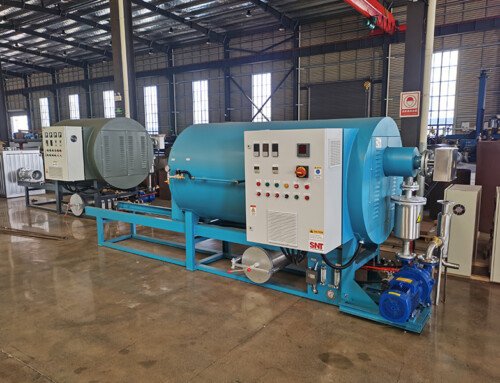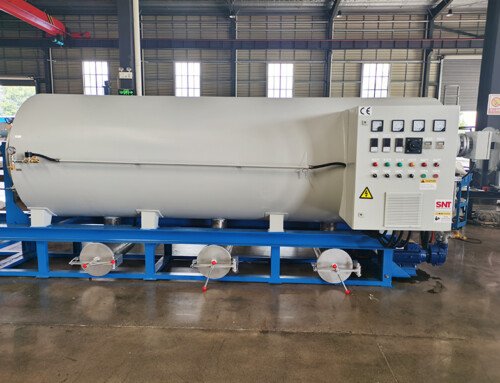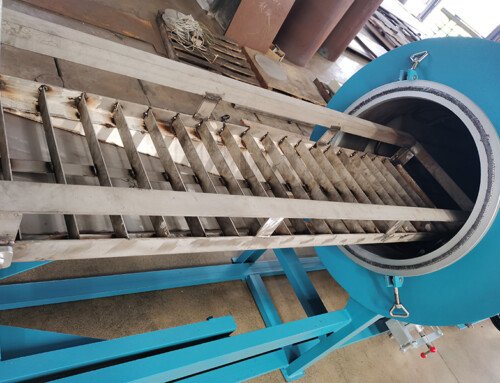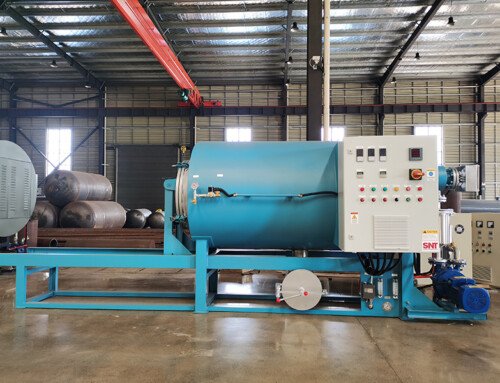
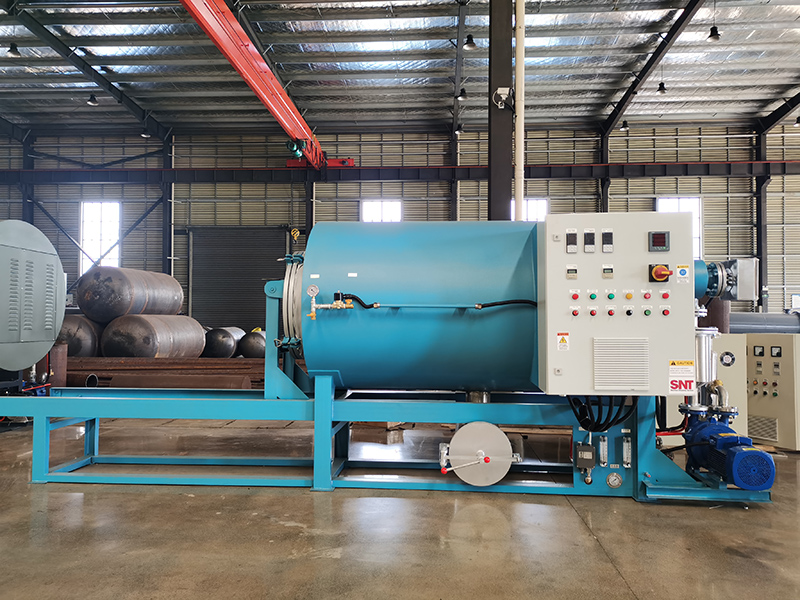
Filter elements used in industrial process systems inevitably accumulate layers of stubborn organic residue over thousands of hours of operation, from polymer fines and cured resin to oily sludge and carbonized particulate matter. When these layers clog the fine pore structure of the filter media, flow resistance spikes, system performance drops, and the element would normally need to be discarded and replaced at significant operational cost. A burn off oven provides a controlled, high-temperature thermal cleaning process that vaporizes and oxidizes almost all organic contamination trapped deep inside the filter matrix, restoring the original flow characteristics of the element without damaging its underlying structural integrity. This makes the process a highly practical solution for facilities looking to extend the service life of high-value filter components and reduce long-term operational waste.
Controlled temperature profiling to protect filter media integrity
The single most critical factor in successful thermal cleaning is building a precise, multi-stage temperature profile that completely breaks down organic residue while never exceeding the thermal limits of the filter element’s base material. If the temperature ramps up too fast or climbs too high, you risk warping, structural deformation, or permanent damage to the fine porous mesh that gives the filter its separation performance. A properly designed burn off cycle starts with a slow, low-temperature pre-heat phase that gently drives off all residual moisture and light volatile compounds, preventing sudden flash evaporation that could cause thermal shock or physical damage to the delicate filter media.
After the pre-heat phase, the temperature rises gradually to a carefully calibrated oxidation holding range, where the vast majority of the organic residue is broken down into harmless gaseous byproducts that flow out of the oven chamber. This steady holding phase is where most of the actual cleaning work happens, and it is maintained long enough to ensure even the thickest, most carbonized layers of residue deep inside the filter pores are fully oxidized. The final segment of the cycle brings the temperature down very slowly, letting the entire filter element cool at a controlled rate that eliminates thermal stress, so the media returns to room temperature without any warping, cracking, or change to its original physical shape.
Post burn off processing to restore full filter performance
Once the thermal cycle is complete and the filter element has cooled all the way to room temperature, a small amount of fine, inert inorganic ash will remain behind in the pore structure, left over after all the organic material has been fully oxidized. This residual ash is not removed by the high-temperature process itself, so a quick post-cleaning step is required to flush it out completely and restore the filter’s original unobstructed flow rate. Most facilities use low-pressure, high-flow compressed air blown through the element in the reverse direction of normal service flow, dislodging fine ash particles and blowing them out of the porous media without scratching or damaging the delicate filter surface.
For elements with extremely fine pore sizes, a gentle rinsing process with neutral pH water followed by full ambient drying can remove any remaining fine ash that compressed air alone cannot dislodge. After this step is complete, technicians perform a simple flow test to verify that the cleaned element’s pressure drop matches the performance specifications of a brand new unit. This quick validation step confirms that the thermal cleaning process was successful, and that no residual organic blockages or hidden media damage are present before the element is put back into active service. This quality check prevents under-performing filters from being reinstalled back into the process system, where they would fail to deliver the required separation performance.
Safety and emission control best practices for long-term operation
The thermal oxidation of heavy organic residues releases a mix of gaseous byproducts that must be properly managed to maintain a safe working environment around the burn off oven. Modern systems route all exhaust gas from the main cleaning chamber through a secondary high-temperature afterburner, which raises the exhaust stream to a much higher temperature long enough to fully oxidize any remaining volatile organic compounds before the gas is released to the facility’s exhaust vent. This eliminates visible smoke, reduces unpleasant odors, and ensures the entire process stays fully compliant with local environmental emission requirements.
Operators should never overload the oven chamber with too many heavily contaminated filter elements at once. Overloading creates a sudden, uncontrolled spike in oxidation activity that releases far more heat and fumes than the system’s afterburner can handle, leading to unexpected temperature overshoots and unfiltered exhaust release. Spacing out batches, loading elements with enough space between them to allow hot air to circulate freely around every surface, and never leaving the oven unattended during the active oxidation phase are simple, consistent habits that prevent almost all common operational hazards. Regular inspection of door seals, temperature sensor calibration, and exhaust path integrity keeps the system running reliably and safely for thousands of cleaning cycles.