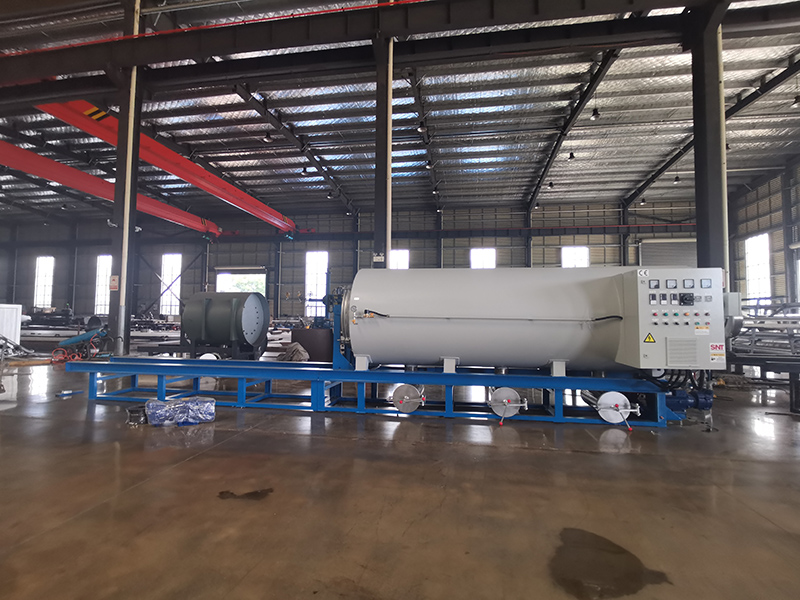
Operators working around high-temperature thermal cleaning systems face persistent, often underrecognized hazards that range from sudden radiant heat exposure to unexpected releases of decomposed process fumes. Even small lapses in personal protection and situational awareness can lead to preventable injuries that could be completely avoided with consistent, structured adherence to well-defined safety practices. These targeted protection points are built around real-world field operating experience, to keep personnel safe across every stage of the full workflow.
Pre-Shift Personal Preparation and Work Area Risk Check
Before starting any shift that involves operating or supporting the cleaning system, complete a full self-assessment to confirm you are physically fit for high-temperature industrial work. If you are experiencing dizziness, fatigue, or signs of heat-related discomfort from previous shifts, notify your supervisor immediately rather than attempting to push through the work. Impaired reaction time and reduced situational awareness are major contributing factors to avoidable safety incidents around high-heat equipment.
Walk the full perimeter of the work area first, to identify any new unmarked hazards that appeared since the last operating shift. Check for wet spots on the floor that could create slip hazards near the hot equipment, confirm that all emergency exit paths are completely unobstructed, and verify that no unauthorized personnel have left flammable tools or discarded packaging within the designated safety zone around the unit. Confirm all fixed safety barriers and warning signage are still in their correct positions, with no signs of tampering or accidental displacement.
Adjust your work schedule to avoid performing heavy physical tasks immediately before or after extended cleaning cycles. Strenuous manual work raises your core body temperature, making you far more vulnerable to heat exhaustion when you are later exposed to the sustained radiant heat coming off the operating furnace exterior.
Layered Personal Protective Equipment Selection and Correct Use
Every item of personal protective gear must be selected and worn to match the specific hazard profile of each task, not treated as a generic one-size-fits-all uniform. For routine monitoring tasks where you remain outside the 1-meter high radiant heat zone, wear heavy, heat-resistant work coveralls that fully cover all exposed skin, with no gaps at the cuffs or collar that could let stray hot air or fine particulate make contact with your skin.
When you need to perform tasks that require close proximity to the hot chamber, such as checking door seal integrity or handling freshly unloaded components, add a face shield with high-temperature impact resistance over your standard safety goggles, and use thick, long-cuff heat-resistant gloves rated for direct contact with surfaces far above the maximum operating temperature of the system. Never wear thin, general-purpose work gloves for these tasks, as they can melt or degrade quickly when exposed to sudden high heat.
For tasks that involve opening the chamber door before full cool-down or handling accumulated residual cleaning debris, wear a properly fitted respiratory mask rated for organic vapors and fine particulate. This prevents you from inhaling small amounts of residual decomposed fumes or fine carbon dust that can be released when the hot chamber is first opened.
Safe Operating Distance and Movement Control
Define and strictly enforce clear, task-specific safe operating distances around the unit at every stage of the cleaning cycle. During the high-temperature heating and holding phase, all personnel must remain outside the 1.5-meter exclusion zone around the furnace exterior, except for short, targeted inspection tasks that require direct proximity. This distance keeps operators safely outside the range of intense radiant heat that can cause low-grade, cumulative skin burns even without direct physical contact.
Never position your body directly in line with the furnace access door while the system is at operating temperature, even if the door is fully closed and latched. In the extremely unlikely event of a sudden seal leak or unexpected pressure release, hot gas will vent directly outward along this path, creating a severe scald hazard for anyone standing in the line of fire. Always stand to the side of the door panel when performing any checks near the access mechanism.
Avoid making sudden, fast movements near the operating unit that could cause you to trip over power cables, bump into hot exterior surfaces, or accidentally knock loose connected piping and ventilation ducts. Maintain slow, deliberate movement inside the marked work zone, and always stay aware of where your feet are positioned to avoid tripping hazards on the floor around the equipment base.
Real-Time Environmental Monitoring and Heat Stress Prevention
Keep a portable, wrist-mounted temperature and humidity monitoring device with you at all times while working in the area, to track local conditions around your work position. If the local wet-bulb temperature reading rises above safe operating thresholds, notify your supervisor immediately to schedule a short, scheduled break in a cool, well-ventilated area outside the work zone. This prevents gradual heat stress from building up without you noticing early warning signs.
Schedule regular, rotating rest breaks for all personnel assigned to the work area, to ensure no one is exposed to sustained high radiant heat for more than 45 consecutive minutes. Keep dedicated insulated drinking water stations positioned just outside the safety zone, so operators can rehydrate regularly without having to walk all the way back to a distant break room. Never consume caffeinated drinks or sugary beverages during long shifts, as these can accelerate dehydration and increase your risk of heat-related illness.
Watch closely for early warning signs of heat stress in your fellow team members, including flushed skin, unusual fatigue, slowed reaction times, or sudden difficulty focusing. If you notice any of these symptoms in another operator, help them move immediately to a cool area, and inform the shift supervisor right away rather than letting them continue working through the discomfort.
Post-Task Exposure Control and Personal Hygiene
After you complete any task that involves handling cleaned components, residual chamber debris, or touching exterior furnace surfaces, wash your hands and forearms thoroughly with industrial hand soap and warm water before eating, drinking, or touching your face. Fine residual carbon and decomposed process dust can easily stick to your skin and work clothes, and accidental ingestion or prolonged skin contact can cause avoidable irritation.
Change out of your work coveralls before leaving the designated facility work area, and store all heat-resistant protective gear in a dedicated, well-ventilated storage cabinet outside the immediate work zone. This lets any residual faint fumes trapped in the fabric dissipate completely between shifts, preventing prolonged unnecessary exposure to trace volatile compounds.
Inspect all your personal protective equipment after every shift, checking for signs of fraying, heat damage, or degraded material performance. Replace any glove with faint char marks, any coverall with thin worn spots, or any face shield with scratched or clouded viewing areas immediately, before the damaged gear fails to provide full protection during the next operating cycle.