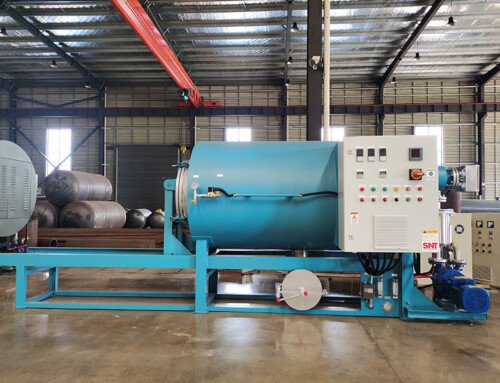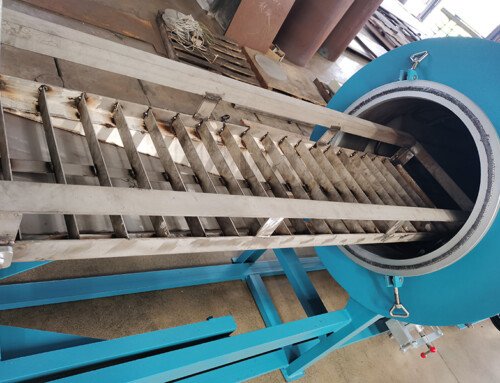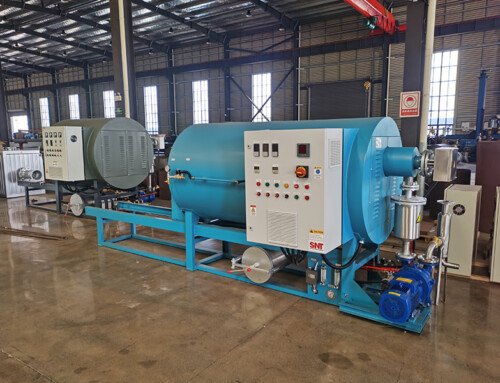
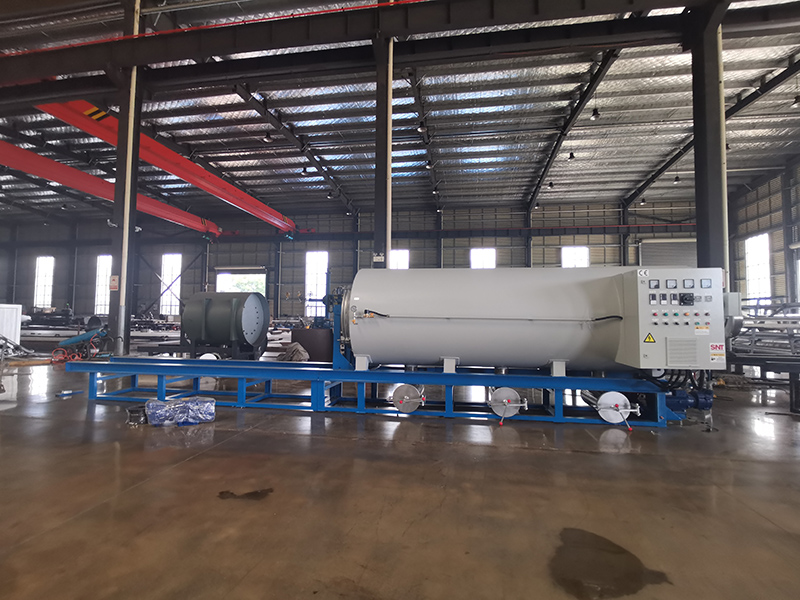
Screw Cleaning Furnace Parts Aging Judgment and Daily Maintenance
Visible Physical Signs to Spot Aging Early
Check the surface of core components during every routine inspection. Look for fine cracks that spread along stress points, especially on parts that face repeated heating and cooling cycles. Discoloration that does not wipe off, such as dark burnt patches or uneven oxidation layers, is another clear signal that the material has started to break down under long-term high temperatures. You can also run a light finger test on sealing elements: if the surface feels sticky, brittle, or leaves tiny residues on your glove, the material has lost its original structural elasticity. Pay extra attention to areas that come into direct contact with molten residues, as these spots usually age much faster than other sections of the furnace.
Listen for abnormal sounds when the furnace runs at full operating temperature. A faint, continuous scraping noise that does not fade after the first 30 minutes of operation often points to worn guide sleeves that no longer hold the screw in perfect alignment. Unusual vibration that transfers to the outer frame of the equipment can also indicate that supporting parts have lost their original dimensional stability after years of thermal expansion and contraction.
Track changes in daily operating performance over weeks of use. If the furnace takes 15% or more time to reach its standard set temperature than it did when new, and you have already ruled out general power supply issues, the heating-related internal parts are likely showing early aging signs. A gradual drop in cleaning consistency, where small leftover material spots start to appear on the screw surface after a full standard cycle, also tells you that key functional parts are no longer performing at their designed efficiency.
Targeted Care Routines for High-Wear Components
Set up a regular cooling-down cycle after every 8 hours of continuous furnace operation. Let the equipment drop to a moderate temperature range naturally before you shut down the main power, instead of cutting power directly when it is still at maximum working heat. This simple step reduces sudden thermal shock that is one of the top causes of premature part aging. Wipe all accessible contact surfaces with a non-abrasive, high-temperature compatible cloth once the parts are cool enough to touch. Remove any thin layer of accumulated residue before it hardens into a stubborn carbon deposit that can etch into the part surface over time.
Apply a thin layer of high-temperature resistant protective coating to moving contact points every 4 weeks of regular use. Make sure the coating you choose does not react with the materials processed in your furnace, and wipe off any excess amount that could drip onto the screw during operation. Rotate static supporting parts a small, controlled angle during each monthly check, so that no single spot stays under constant heavy pressure for months on end. This even distribution of stress can extend the service life of these parts by a noticeable margin.
Keep the surrounding environment of the furnace clean and dry at all times. Avoid placing any source of moisture or corrosive fumes within a 3-meter radius of the equipment. Even small amounts of water vapor that seep into gaps between parts can speed up oxidation and micro-corrosion, which will quietly weaken part structure long before you see visible signs on the outer surface.
Long-Term Habits to Slow Down Unnecessary Degradation
Build a simple log to record every minor change you notice during daily operation. Note down small details like slight shifts in temperature reading, faint new noises, or small adjustments you make to keep the furnace running smoothly. Over months, this log will help you spot slow aging trends that are easy to miss during a single quick check. It also lets you take small corrective actions early, instead of waiting until a part fails completely and causes unexpected downtime.
Avoid pushing the furnace to run beyond its designed maximum temperature for extended periods, even if you think a faster cleaning cycle might save a little time. Running parts at their absolute temperature limit for hours at a time will accelerate material fatigue far faster than normal use. Stick to the recommended operating parameters, and adjust your cleaning cycle schedule to match the actual level of residue on the screws, instead of using the same maximum intensity setting for every light load.
Give the equipment a full, low-load test run for 20 minutes after any long period of inactivity. This gentle warm-up process lets all internal parts expand evenly at a slow pace, instead of shocking them with full high heat right after sitting idle for weeks. This small habit can prevent many hidden aging issues that come from uneven material expansion after long storage.
Do you want me to further adjust the keyword density and sentence flow to better fit Google’s industrial equipment search ranking rules?