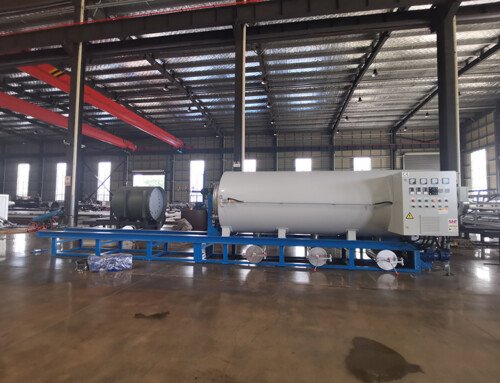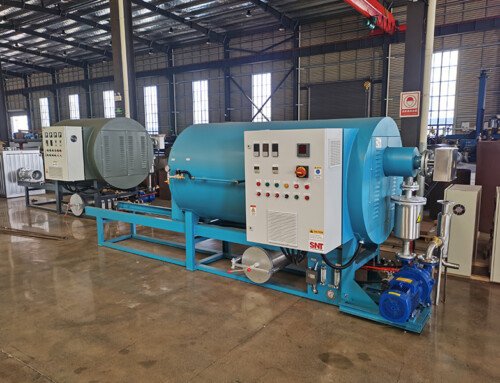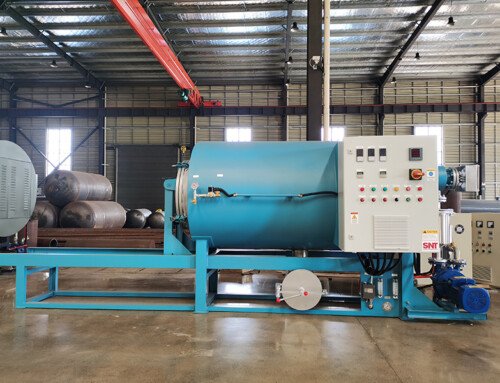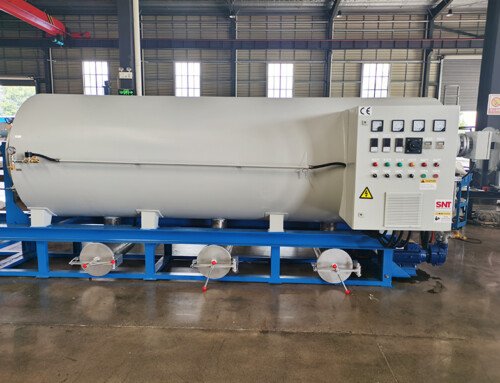
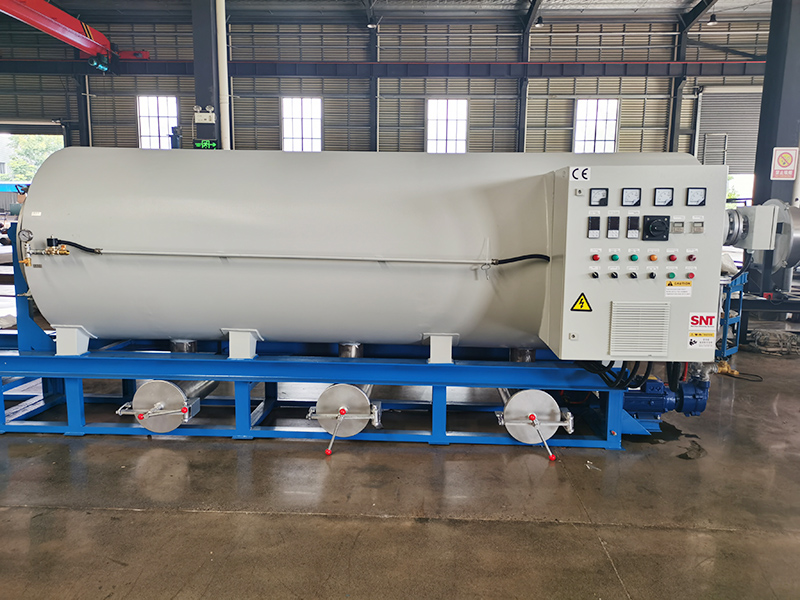
Low oxygen pyrolysis inside a burn off oven creates a carefully controlled thermal environment that breaks down organic materials without the risks, emissions, and incomplete processing issues associated with full open air combustion. Unlike standard high temperature ovens that rely on excess ambient oxygen to burn off materials rapidly, this process operates in a tightly regulated atmosphere where oxygen levels are held well below the 16 percent threshold required for sustained open flame combustion. This targeted approach transforms solid organic feedstock into usable gaseous byproducts, solid char, and minimal residual waste, while drastically cutting the formation of harmful pollutants that are difficult to filter out of exhaust streams. When paired with precise temperature and atmosphere control, this method delivers far more consistent, predictable results for industrial material processing applications that demand full organic removal without damaging underlying base substrates.
Atmosphere Regulation and Oxygen Level Control Architecture
The core of a reliable low oxygen pyrolysis burn off oven system lies in its ability to maintain stable, uniform oxygen distribution across every zone of the processing chamber, with no unexpected localized oxygen spikes that can trigger unintended open combustion.
Sealed Chamber and Purge Cycle Design
Before any heating cycle begins, a full pre-purge sequence flushes all residual ambient air out of the entire chamber volume using inert gas, bringing internal oxygen levels down to the target low oxygen baseline before the temperature rises high enough for any organic decomposition to start. The sealing structure around all chamber doors, feed ports, and exhaust connections is engineered to eliminate even tiny, unmeasured air leaks that would slowly seep oxygen into the hot chamber mid-cycle, creating unpredictable hot spots and partial combustion events that disrupt the pyrolysis process. This pre-purge step also removes all residual volatile fumes left behind from previous processing runs, preventing unexpected pressure spikes or unintended reaction events when the heating sequence initiates.
Dynamic Oxygen Feedback and Compensation
Once the pyrolysis cycle is underway, high precision oxygen sensors placed at multiple vertical and horizontal points across the chamber feed real time data back to the system’s atmosphere control logic. If localized oxygen levels start to drift upward toward the combustion threshold, the system automatically injects small, metered bursts of inert gas to bring levels back down to the pre-set operating window, without triggering sudden large temperature shifts that would interrupt the steady thermal decomposition process. This distributed sensor arrangement eliminates the blind spots that are common in single-sensor oven designs, ensuring no section of the processing load is ever exposed to unintended high oxygen conditions that could ruin the batch.
Multi-Zone Temperature Profiling for Controlled Pyrolysis Kinetics
Low oxygen pyrolysis does not rely on a single static temperature set point, and a carefully staged, ramped temperature profile ensures organic material breaks down gradually and completely, without sudden runaway decomposition that generates excess smoke, unprocessed volatile residues, or thermal damage to non-organic base materials.
Low Temperature Drying and Pre-Heating Zone
The first stage of the temperature profile holds the chamber at a moderate, sub-250 degree Celsius range long enough to evaporate all free moisture and low boiling point volatile compounds out of the load, before the core pyrolysis reactions begin. This slow, controlled drying step prevents trapped moisture inside the organic material from rapidly vaporizing and creating pressure pockets that can blow small unprocessed material particles out into the exhaust stream, which would create unfiltered particulate emissions and inconsistent processing results. It also ensures every part of the load reaches a uniform baseline temperature before the system moves into the high temperature pyrolysis stage, eliminating uneven decomposition between the outer surfaces and inner core of thick, dense material loads.
Stabilized High Temperature Pyrolysis Holding Zone
Once all moisture and light volatiles have been fully removed, the chamber temperature is raised steadily into the 400 to 650 degree Celsius operating window, where long chain organic polymer molecules break apart into smaller molecular gaseous compounds and solid carbon char. The system holds this temperature completely stable across the entire chamber for a duration calibrated to the exact thickness and composition of the organic material being processed, ensuring even the deepest layers of tightly adhered organic coatings or impregnated material fully decompose, without leaving behind partially decomposed sticky residues that are extremely difficult to remove in later processing steps. This steady, extended holding phase also prevents the rapid, uncontrolled thermal runaway that can occur when thick layers of organic material are heated too quickly, which would otherwise create sudden pressure surges inside the sealed chamber.
Post-Pyrolysis Thermal Treatment and Exhaust Management
After the main low oxygen pyrolysis reaction is complete, the process does not end immediately, and a carefully designed post-processing sequence ensures all residual volatile byproducts are fully managed before the chamber is opened back up to ambient conditions.
Controlled Cool Down and Inert Atmosphere Hold
Once the high temperature pyrolysis stage finishes, the system keeps the chamber sealed and held under low oxygen inert atmosphere conditions while the entire load cools down below 150 degrees Celsius. This prevents hot, freshly pyrolyzed char residue from immediately flashing into open flame the second the chamber door is opened and ambient air rushes into contact with high temperature carbon material. This slow, controlled cool down step also eliminates the risk of thermal shock damage to sensitive metal or ceramic base substrates that were being stripped of organic coatings, preserving the original dimensional accuracy and material properties of the underlying parts.
Post-Combustion Byproduct Destruction
The gaseous pyrolysis byproducts extracted from the low oxygen chamber are routed into a separate high temperature afterburner zone, where they are fully oxidized at temperatures well above 850 degrees Celsius under controlled excess air conditions. This step completely breaks down all remaining volatile organic compounds, tars, and hydrocarbon byproducts before the gas stream moves through final filtration, eliminating the vast majority of harmful emissions that would otherwise be released into the exhaust. This two stage approach separates the low oxygen pyrolysis processing of the target load from the final destruction of gaseous byproducts, creating a far more controlled, efficient, and low emission processing workflow than direct full combustion systems can deliver.