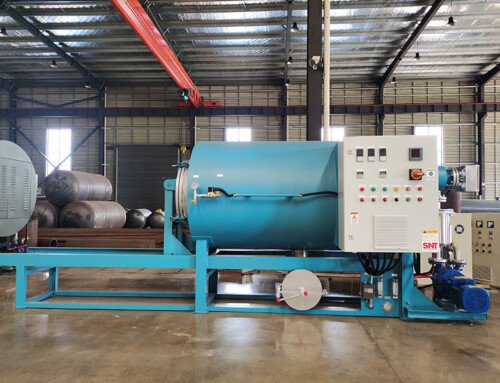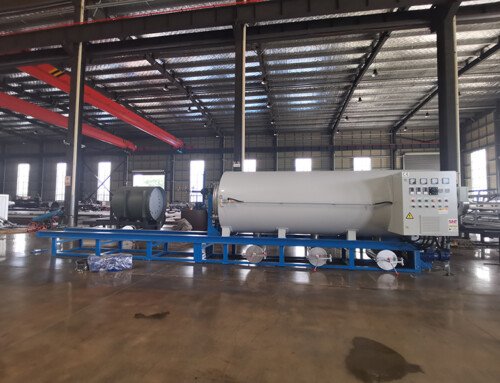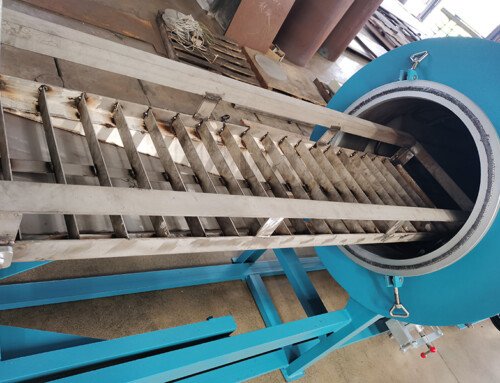
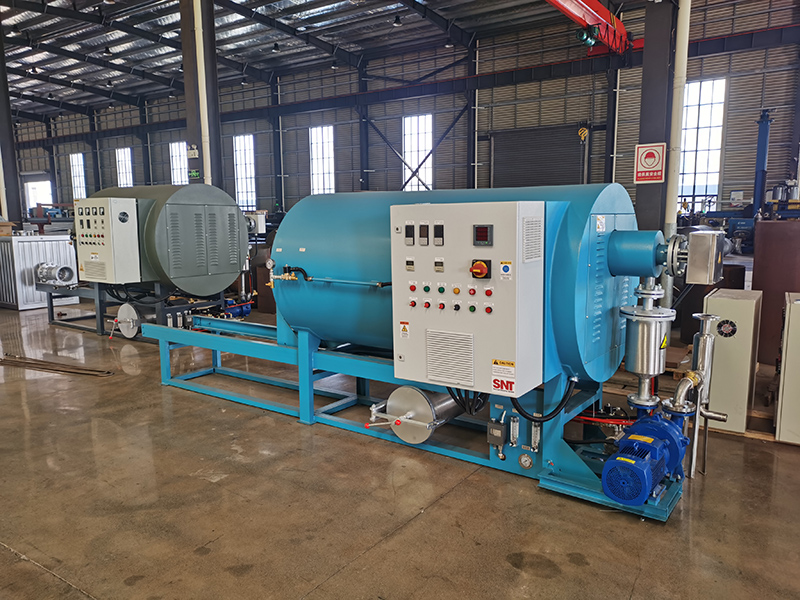
Screw cleaning furnaces are robust industrial processing units built to handle sustained high-temperature operation, but their internal fluid lines, precision sensor assemblies, and sealed heating chambers are extremely vulnerable to hidden damage when exposed to prolonged sub-freezing winter conditions. If residual moisture or circulating fluid inside these components freezes and expands, it can crack internal lines, warp precision seating surfaces, and trigger costly, avoidable failures that will not become obvious until the unit is started back up for production. Drawing on verified industrial heavy equipment maintenance protocols, facility engineering field experience, and established cold-weather industrial asset preservation best practices, this guide outlines every critical step to keep these units fully intact and functional through the coldest winter months.
Pre-storage full system residual fluid and moisture elimination
Before moving the screw cleaning furnace into winter idle storage, first run a complete empty high-temperature circulation cycle to flush out all residual processing material, loose debris, and trapped moisture from the main heating chamber, screw tracks, and internal ventilation passages. Once the unit cools completely down to safe handling temperature, open all drain ports, lowest-point bleed valves, and access hatches to release every last drop of residual fluid that could sit stagnant inside lines and freeze later. Use low-pressure dry, clean compressed air to blow through every narrow internal passage, line, and small gap around sensor mounts, to push out any tiny hidden droplets of moisture that gravity drainage alone cannot fully remove. Wipe down all exposed metal surfaces with a clean, lint-free absorbent cloth, and pay extra attention to the small crevices around door seals, hinge points, and electrical connection terminals where stray moisture often gets trapped. Document the full completion of this step in your facility equipment maintenance log, so you have a clear record that no residual fluid was left inside the unit before cold temperatures set in. This thorough initial elimination work removes almost all the root causes of winter freeze damage before the unit ever goes into storage.
Cold-weather storage space temperature stabilization
Place the fully prepped screw cleaning furnace in a dedicated indoor storage area that stays consistently above freezing at all times, away from exterior doors, uninsulated exterior walls, and drafty gaps that let in frigid outdoor air. Arrange the unit on a raised, solid platform that elevates it a safe distance above cold concrete flooring, which can draw down the temperature of the unit’s base frame and lower components far below the ambient air reading of the room. Set up gentle, consistent low-volume air circulation around the equipment to prevent stagnant cold pockets from settling on any surface of the furnace, and avoid placing the unit directly near high-output heating sources that could create uneven, rapid temperature swings that cause condensation to form on cold metal parts. Monitor the ambient temperature of the storage space at least twice per day during the coldest stretches of winter, and log every reading in your equipment tracking record to confirm no unexpected temperature drops below the freezing threshold ever occur. This stable, carefully controlled storage environment eliminates the conditions that cause residual trapped moisture to freeze and expand inside the unit’s critical internal components.
Scheduled periodic winter inspection and maintenance routines
Even in a fully temperature-stabilized storage space, carry out short, structured check-ins at consistent intervals through the entire winter season to catch small developing issues before they escalate. During each inspection, walk around the full exterior of the furnace to check for any faint signs of condensation, unexpected frost, or surface temperature anomalies that indicate a local cold spot has formed on the unit. Run a brief low-power activation of the electrical control system, without bringing the furnace up to full operating temperature, to confirm all safety sensors, indicator panels, and circuit connections remain fully functional with no signs of cold-related connection drift or damage. If you ever record an unexpected temporary temperature dip in the storage space, immediately run a short low-temperature empty drying cycle to evaporate any new condensation that may have formed inside the unit, before returning it to idle storage. After every inspection, update your maintenance log with the exact date, temperature reading, and full status of all key components, so you can spot any recurring cold-related patterns early and adjust your storage setup accordingly. These consistent, small proactive checks ensure the screw cleaning furnace remains in perfect working order through the entire winter, ready for smooth, trouble-free startup when production needs resume.