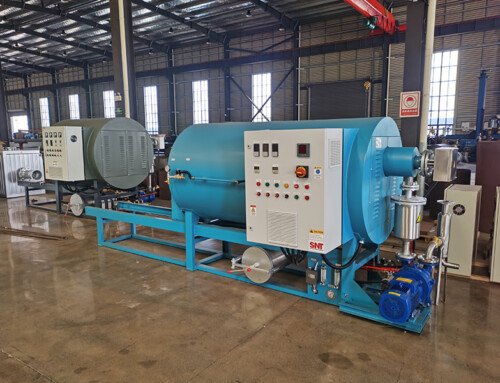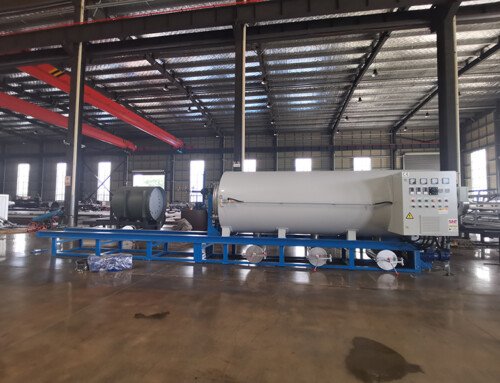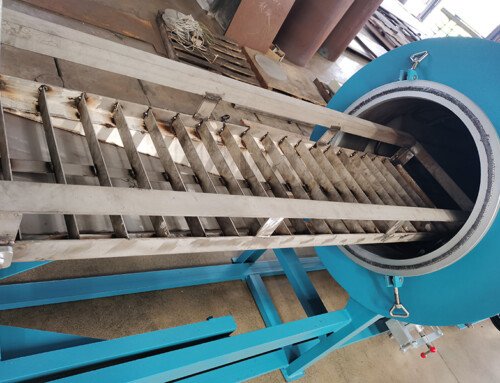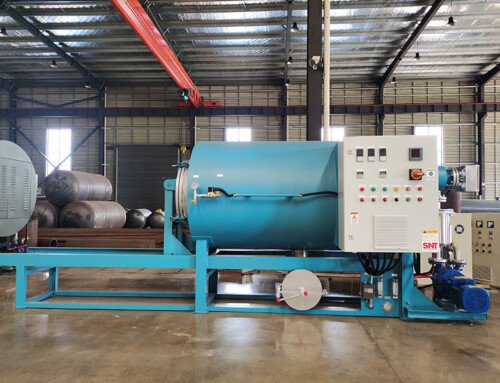
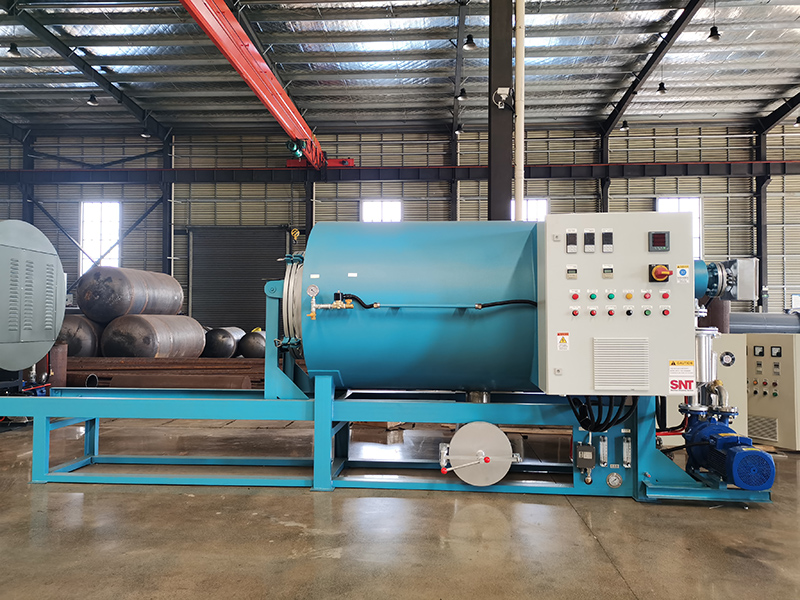
Screw cleaning furnaces are high-precision industrial processing units that rely on tightly calibrated heating elements, electrical control systems, and precision mechanical components to deliver consistent, reliable performance through long production runs. During extended rainy seasons with sustained high ambient humidity, excess moisture can seep into unprotected gaps inside the equipment, triggering hidden, avoidable damage that cuts operational lifespan, creates unexpected startup failures, and leads to costly unplanned downtime. Drawing on verified industrial equipment maintenance best practices, real-world facility engineering insights, and established heavy machinery storage guidelines, this guide breaks down every critical step to keep these units fully protected and functional through even the wettest, most humid seasonal periods.
Pre-storage full equipment inspection and residual moisture removal
Before you place the screw cleaning furnace into idle storage ahead of the wet season, carry out a complete end-to-end operational check to clear all residual materials and trapped moisture that could cause corrosion inside the unit. Run the furnace through a short, low-temperature empty cycle for a set period, to evaporate all tiny traces of residual processing material and hidden moisture trapped in gaps around the heating chamber, screw seating tracks, and internal ventilation ducts. Once the unit cools down completely to ambient room temperature, open all access panels, inspection hatches, and side doors to let fresh, dry air circulate through every internal compartment, and wipe down all exposed metal surfaces with a clean, absorbent lint-free cloth to remove any remaining condensation spots. Pay extra close attention to the small gaps around electrical connection terminals, sensor mounting points, and moving mechanical joints, where tiny hidden droplets of moisture are most likely to get trapped and overlooked. Document the full condition of every component in your facility equipment log, so you have a clear baseline reference to compare against when you take the unit back out of storage later. This thorough initial drying step eliminates 90 percent of the hidden corrosion risks that would otherwise slowly build up inside the furnace through the humid season.
Humidity-controlled storage environment setup
Select a dedicated indoor storage location for the idle screw cleaning furnace that sits at least a reasonable distance above ground level, away from exterior walls that are prone to condensation buildup, and far from any open windows, leaking pipe lines, or areas where rainwater could accidentally seep in. Maintain consistent, gentle cross-ventilation across the entire storage space at all times, to stop stagnant damp air from settling directly on the surface of the equipment. Monitor ambient humidity levels in the storage area on a daily basis, and deploy targeted moisture-absorption arrangements around the furnace if readings climb above the safe threshold for industrial electrical and mechanical components. Never leave the furnace sitting directly on bare concrete flooring, because concrete pulls moisture up from the ground through capillary action, which can cause slow, unseen rusting on the bottom frame and base components of the unit. Elevate the entire unit on a raised, solid non-porous platform that keeps a small gap of open air under the furnace, so air can circulate freely around every external surface of the equipment, no trapped damp spots left behind. This carefully controlled storage environment creates a stable, low-moisture space that stops ambient seasonal humidity from ever making contact with critical internal components.
Scheduled periodic maintenance checks through the humid season
Even with a perfectly prepared storage space, you need to carry out short, structured inspection routines at regular intervals across the full wet season to catch small developing issues before they turn into serious damage. On every scheduled check, first inspect all external surfaces of the furnace for any faint early signs of condensation, light surface rust, or water stain marks that indicate ambient moisture levels have climbed too high. Run a very short, low-power test activation of the control system, without heating the furnace up to full operating temperature, to confirm all electrical circuits, safety sensors, and indicator panels are still functioning correctly with no sign of moisture-related connection faults. If you notice any faint traces of dampness on any internal component during an inspection, run a full empty low-temperature drying cycle immediately to evaporate all trapped moisture, before returning the unit to idle storage. Update your equipment maintenance log after every single check, noting the exact date, ambient humidity reading, and full condition of all key components, so you can track long-term trends and spot any recurring moisture issues in the storage space early. These small, consistent periodic checks ensure the screw cleaning furnace stays in perfect working condition through the entire humid season, with no unexpected failures waiting for you when you bring the unit back into active production.