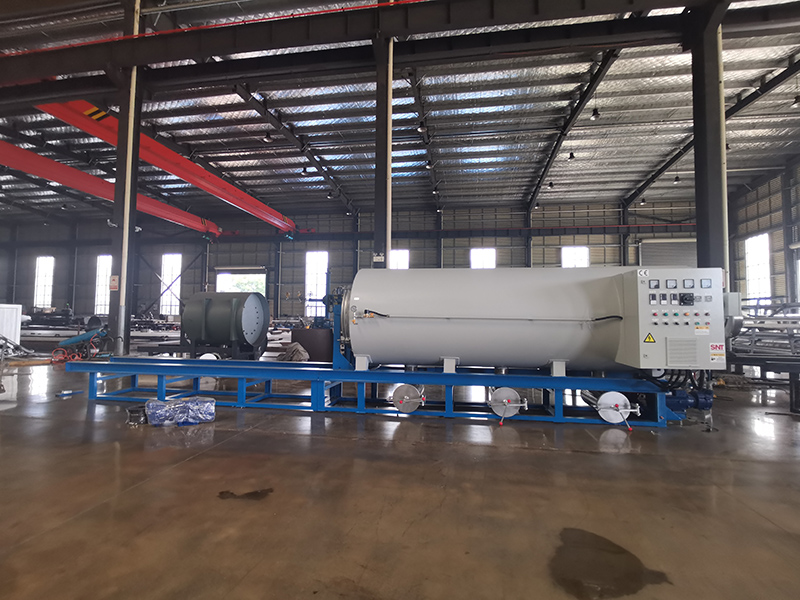
Safe Operating Practices for Screw Cleaning Furnaces
Screw cleaning furnaces are widely used in plastic processing, extrusion, and injection molding industries to remove carbonized residue, polymers, and contaminants from screws and metal components. Proper operation is essential not only for cleaning efficiency but also for workplace safety, equipment lifespan, and environmental compliance.
Understand the Furnace Temperature Range Before Operation
Different materials and polymer residues require different cleaning temperatures. Operators should always confirm the recommended thermal decomposition temperature before starting the furnace.
Excessive heat may damage screw surfaces, alter metal hardness, or increase oxidation. Insufficient heat can leave residue inside thread grooves and reduce cleaning effectiveness.
Avoid Rapid Heating and Cooling
Sudden temperature changes can create thermal stress on metal parts. Large screws and barrels are especially vulnerable to deformation when exposed to rapid heating cycles.
Gradual heating helps maintain dimensional stability and reduces the risk of cracking. After cleaning, components should cool naturally in a ventilated area instead of being immersed in water or exposed to forced cooling systems.
Separate Different Metal Materials During Cleaning
Mixing carbon steel, stainless steel, and coated components in the same furnace cycle may lead to inconsistent heating results. Some coated surfaces can also release fumes under high temperatures.
Organizing components by material type improves cleaning consistency and minimizes unnecessary wear.
Ventilation and Workplace Safety Requirements
High-temperature cleaning processes can release smoke, odors, and decomposition gases. Proper ventilation is critical for maintaining a safe working environment.
Install Reliable Exhaust Systems
A screw cleaning furnace should operate in an area with stable air circulation and industrial exhaust equipment. Poor ventilation may allow harmful gases to accumulate around the furnace.
Operators should regularly inspect duct systems, filters, and exhaust fans to ensure stable airflow performance.
Use Protective Equipment During Handling
Metal parts remain extremely hot after cleaning cycles. Heat-resistant gloves, eye protection, and protective clothing help reduce burn risks during unloading and transportation.
Long-handled tools are also recommended when removing screws from the furnace chamber.
Keep Flammable Materials Away From the Furnace
Cleaning furnaces generate continuous high temperatures during operation. Oils, solvents, plastic packaging, and combustible debris should never be stored near the equipment.
The surrounding workspace should remain clean and organized to reduce fire hazards.
Routine Inspection and Maintenance Procedures
Regular maintenance improves furnace reliability and prevents unexpected shutdowns.
Inspect Heating Elements Frequently
Heating elements experience continuous thermal expansion and contraction during operation. Damaged elements may cause uneven temperatures or reduced heating efficiency.
Periodic inspection helps identify wear before complete failure occurs.
Monitor Temperature Control Accuracy
Faulty temperature sensors or controllers can affect cleaning quality and create overheating risks. Calibration checks should be performed according to operating schedules.
Stable temperature control also helps reduce unnecessary energy consumption.
Remove Residue From the Furnace Interior
Over time, ash and carbon residue can accumulate inside the chamber. Excessive buildup may interfere with airflow and heating performance.
Cleaning the interior regularly helps maintain stable operation and prevents contamination of future cleaning cycles.
Proper Loading Methods for Better Cleaning Results
The arrangement of screws and metal parts inside the furnace directly affects cleaning efficiency.
Avoid Overloading the Furnace Chamber
Overcrowding restricts heat circulation and prevents uniform decomposition of residue. Components should be spaced properly to allow consistent airflow around all surfaces.
Position Components Securely
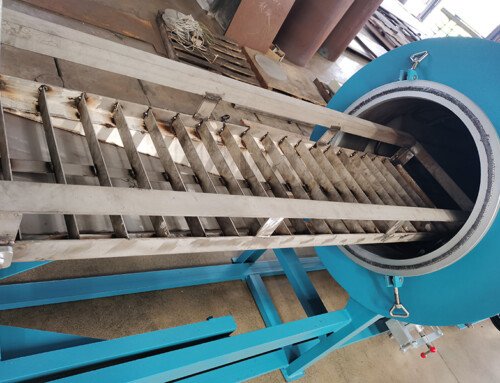
Improper placement may cause screws or metal parts to shift during operation. Stable positioning reduces the chance of surface damage and improves operator safety during unloading.
Remove Excess Plastic Before Cleaning
Large amounts of attached polymer material should be manually removed before furnace operation. Pre-cleaning reduces smoke generation and shortens processing time.
Environmental and Operational Considerations
Industrial cleaning equipment should operate under controlled environmental conditions for long-term reliability.
Maintain a Dry Operating Environment
Moisture can affect electrical systems, insulation materials, and metal surfaces. Furnaces should be installed in dry industrial environments with stable humidity levels.
Follow Scheduled Downtime Inspections
Even when the furnace appears to operate normally, scheduled inspections help identify early signs of wear in electrical connections, insulation layers, and safety systems.
Preventive maintenance often reduces long-term repair costs and operational interruptions.
Train Operators on Emergency Procedures
All personnel should understand emergency shutdown procedures, overheating response methods, and basic fire safety practices before operating the furnace.
Well-trained operators help reduce equipment damage and workplace accidents.